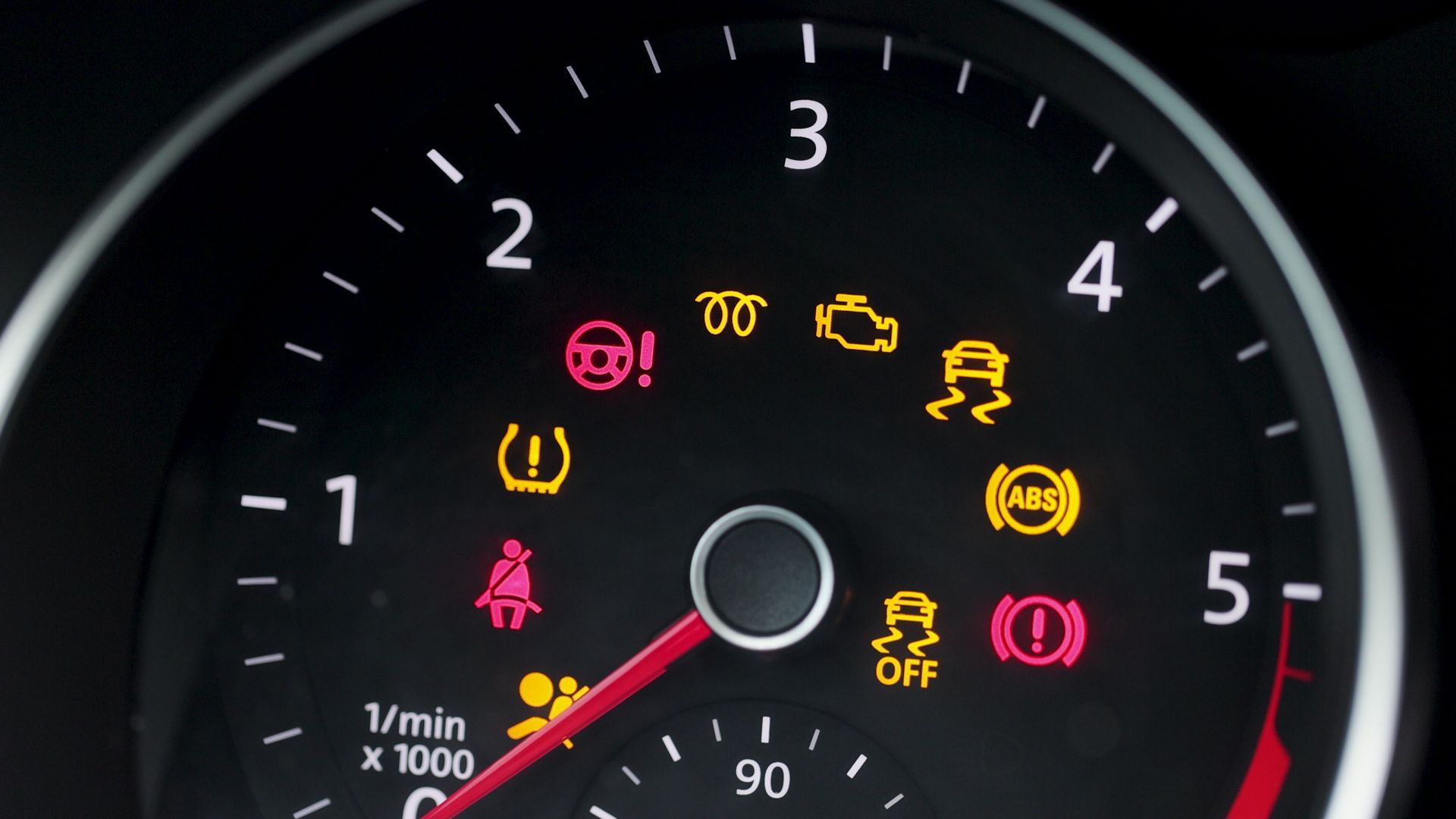
When a warning light pops on, a noise appears, or the car just “doesn’t feel right,” the first thing many people want to know is, “What’s it going to cost?” The truth is, nobody can answer that honestly until the underlying problem is actually found. That is where proper car diagnostics comes in.
It is the careful process of figuring out what is really wrong, not just what it looks like on the surface.
What Car Diagnostics Actually Means Today
Car diagnostics is more than plugging in a code reader and reading a number off a screen. Modern vehicles have multiple computers talking to each other, and a symptom in one system can be triggered by a problem in another. Diagnostics means gathering information, testing theories, and using tools and experience to track the fault to its source.
A simple example is a check engine light with a code for “lean condition.” That code does not tell you which part to replace. It tells you that too much air or too little fuel is reaching the cylinders. Diagnostics is the process of figuring out whether that lean condition is caused by a vacuum leak, a weak pump, a bad sensor, or something else entirely.
How Modern Diagnostic Tools Talk to Your Car
Every car built in the last couple of decades has an onboard diagnostic port. A basic code reader can pull stored trouble codes, but professional diagnostics usually goes several steps beyond that. A technician looks at live data to see how sensors and systems behave in real time, under different loads and temperatures.
Common tools involved include:
- Professional scan tools that read codes, live data, and manufacturer-specific information
- Digital multimeters and test lights to check power, ground, and signal quality
- Smoke machines for finding vacuum or intake leaks
- Oscilloscopes for checking detailed sensor and ignition waveforms when needed
We use this equipment to confirm what the car is actually doing, instead of guessing based on a dash light or a single symptom.
Symptom Timeline: From Dash Light to Confirmed Problem
Most issues follow a pattern if you pay attention. It often starts with something small: a flickering light, a one-time stumble, or a new noise that comes and goes. At this stage, many drivers shrug it off because the car still drives.
Later, the symptom becomes easier to trigger. The light stays on, the noise shows up on every trip, or the engine stumbles more often. By the time the car is hard to start, going into limp mode, or setting multiple codes, the problem has grown and may have started to affect related parts. A good diagnostic process looks at how long the concern has been happening and how it changed over time. That timeline is one of the clues that helps aim testing in the right direction.
Why Guessing at Repairs Gets Expensive
Skipping diagnostics usually looks cheaper at first. It can feel tempting to “just replace the sensor” or “throw in a coil” because someone online had a similar issue. The risk is that you end up replacing parts that were doing their job correctly while the real fault is still sitting there.
We have seen cars that arrived with a new battery, alternator, and starter, all installed trying to chase down a starting issue that turned out to be a simple wiring fault. In that situation, proper diagnostics at the beginning would have cost less than the pile of unneeded parts. Accurate testing keeps you from paying for the same problem twice and protects you from the frustration of a repair that does not fix anything.
What a Solid Diagnostic Process Includes
A careful diagnostic routine usually follows a series of steps rather than jumping straight to a conclusion. That process often looks like this:
- Verify the complaint with a road test or in-bay check so the symptom is clearly understood
- Scan the vehicle for codes, then review freeze-frame and live data to see what the computer saw when it set the code
- Inspect basics such as fuses, wiring, connectors, and fluid levels for obvious faults
- Perform targeted tests, like checking fuel pressure, performing a smoke test, or measuring sensor outputs under different conditions
- Compare results to factory specifications to confirm which component is actually out of line
As technicians, we rely on this step-by-step approach because it keeps us honest. Each step either supports or rules out a theory, until the problem is narrowed down to the true cause.
How Diagnostics Lead to Accurate, Long-Lasting Repairs
Once the root cause is known, repair choices become much clearer. Instead of “maybe it’s the pump,” you know that fuel pressure drops under load, or that a sensor is clearly reading out of range. That means the part being replaced is tied directly to a proven failure, not a guess.
Accurate diagnostics also helps spot related issues before they cause trouble. For example, a failing ignition coil might be the main complaint, but data may show that a spark plug is worn out or a connector is corroded. Fixing those related concerns at the same time protects the new part and helps the repair last. In the long run, that kind of accurate, complete repair usually costs less than chasing one symptom at a time.
When You Should Ask for Diagnostics Before Approving Repairs
Any time a problem is new, intermittent, or involves electronic systems, it is worth asking what diagnostic steps will be taken before parts are replaced. If the car has had the same issue come back after previous repairs, that is another sign that a deeper diagnostic look is needed. It may feel like you are spending money before anything “tangible” gets replaced, but what you are really paying for is clarity.
When you have a clear diagnosis, you can decide whether to fix everything right away or prioritize the most urgent items and plan the rest. That is much easier to do when you know exactly what is wrong, what is only a suggestion, and what can safely wait.
Get Car Diagnostics in Ohio with Annie's Auto
If your car has a warning light on, a recurring problem, or a concern that nobody has quite solved yet, a focused diagnostic visit is the best first step. We can test your vehicle with professional equipment, trace the issue to its real source, and explain the findings in plain language before any repairs move forward. We want you to feel confident that your money is going toward the right fix the first time.
Schedule car diagnostics with Annie's Auto in Ohio, and we will help you get from guesswork to accurate repairs.
- Cleveland, OH 44130
- Brunswick, OH 44212
- Avon, OH 44011
- Cleveland, OH 44102