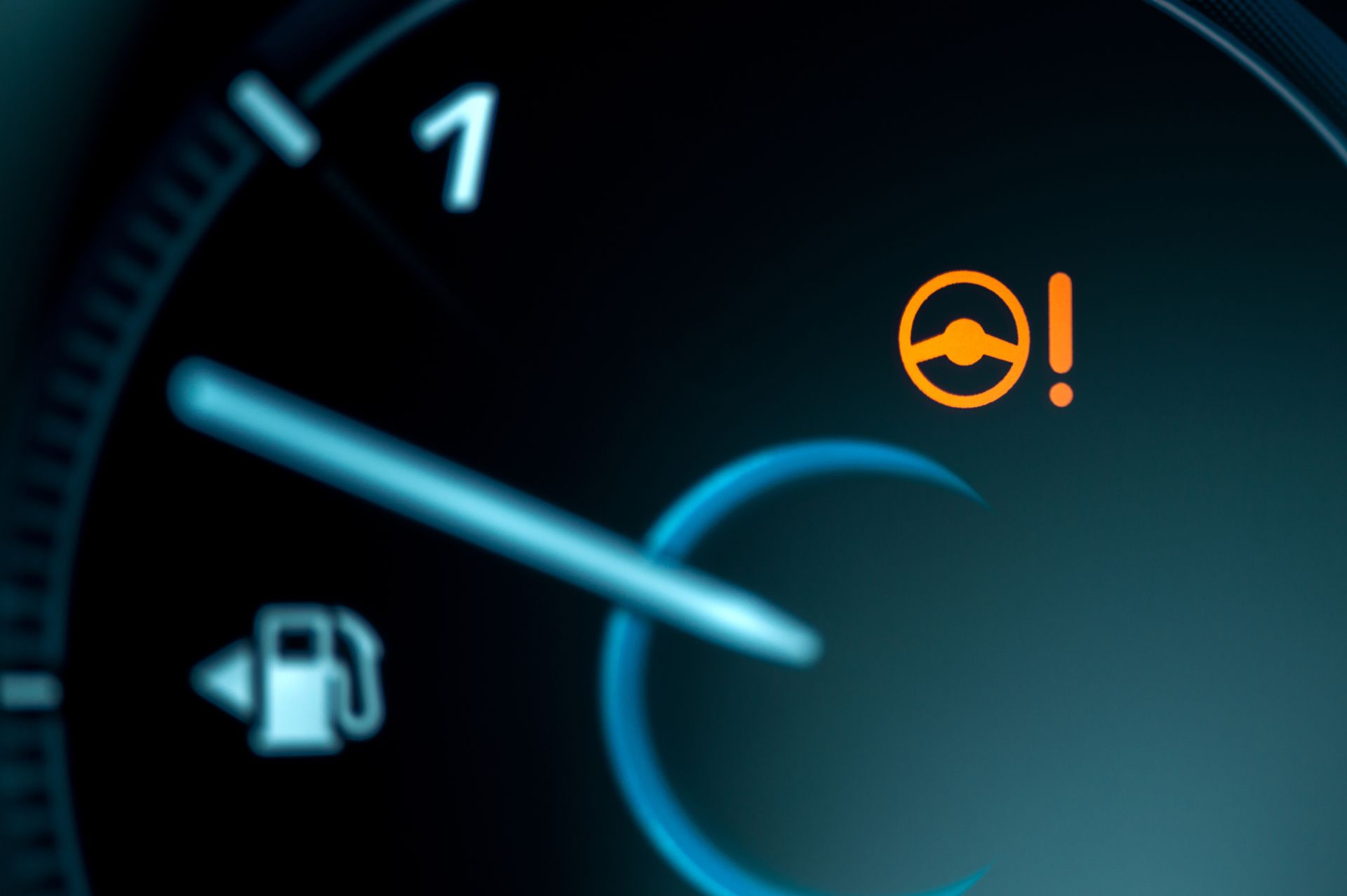
Dashboard warning lights can turn a normal drive into a guessing game fast. One symbol pops on, then another, and suddenly you are doing mental math about risk, cost, and whether you can keep driving.
The good news is that most of these lights fall into a few categories, and each one has the best next step. If you know what the common ones usually mean, you can respond calmly and avoid both overreacting and brushing off something that needs attention.
Why Dashboard Warning Lights Get Misread
A lot of drivers assume every warning light means the same thing. Some lights are reminders, some are alerts, and some are telling you to stop driving now. Another reason they get misread is timing. Lights show up during weather changes, after a battery gets weak, or right after a repair when a sensor is unhappy.
We see people come in convinced that a single part failed, when the real issue is a small chain of causes, like low voltage leading to multiple warnings. Knowing what each light is actually tied to helps you make better decisions before you start replacing parts.
1. Check Engine Light
This is the most misunderstood light because it covers a wide range of issues. It can come on for something minor like a loose gas cap, but it can also point to misfires, sensor faults, or fuel and air problems that affect how the engine runs.
If the light is solid and the car feels normal, it is usually okay to schedule a diagnostic soon. If the light is flashing, that is a bigger deal because it often suggests an active misfire that can overheat the catalytic converter.
2. Oil Pressure Warning Light
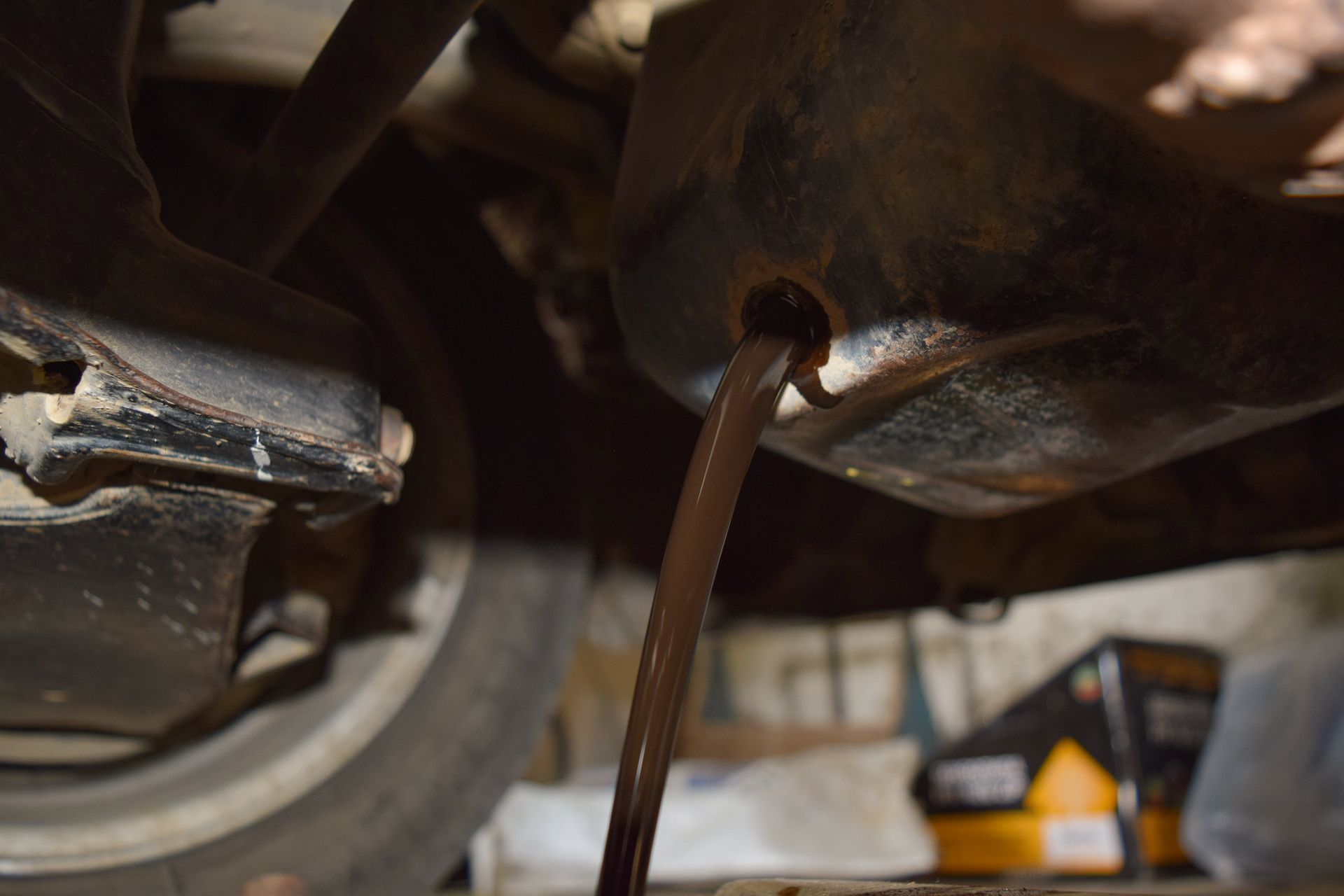
This one is not an oil change reminder. It is warning you that oil pressure may be too low, and low oil pressure can damage an engine quickly. Sometimes it is caused by a low oil level, but it can also be a bad sensor or an internal oiling issue.
If this light comes on while driving, the safest move is to shut the engine off as soon as you can do it safely and check the oil level. If the level looks fine, do not keep driving and hope it clears. You should get it inspected ASAP.
3. Battery And Charging System Light
This light usually means the charging system is not keeping up, not that the battery itself is dead. Common causes include alternator problems, belt issues, or wiring and connection faults. If the light is on while you are driving, the car may be running mostly on battery power.
You may notice dimming lights, sluggish starts later, or electronics acting odd. The longer you drive with a charging fault, the more likely the car is to eventually stall and will not restart.
4. Engine Temperature Warning Light
This light is telling you the engine may be overheating or headed that direction. Overheating can escalate quickly, especially in traffic or hot weather, and engine damage can follow if it is ignored.
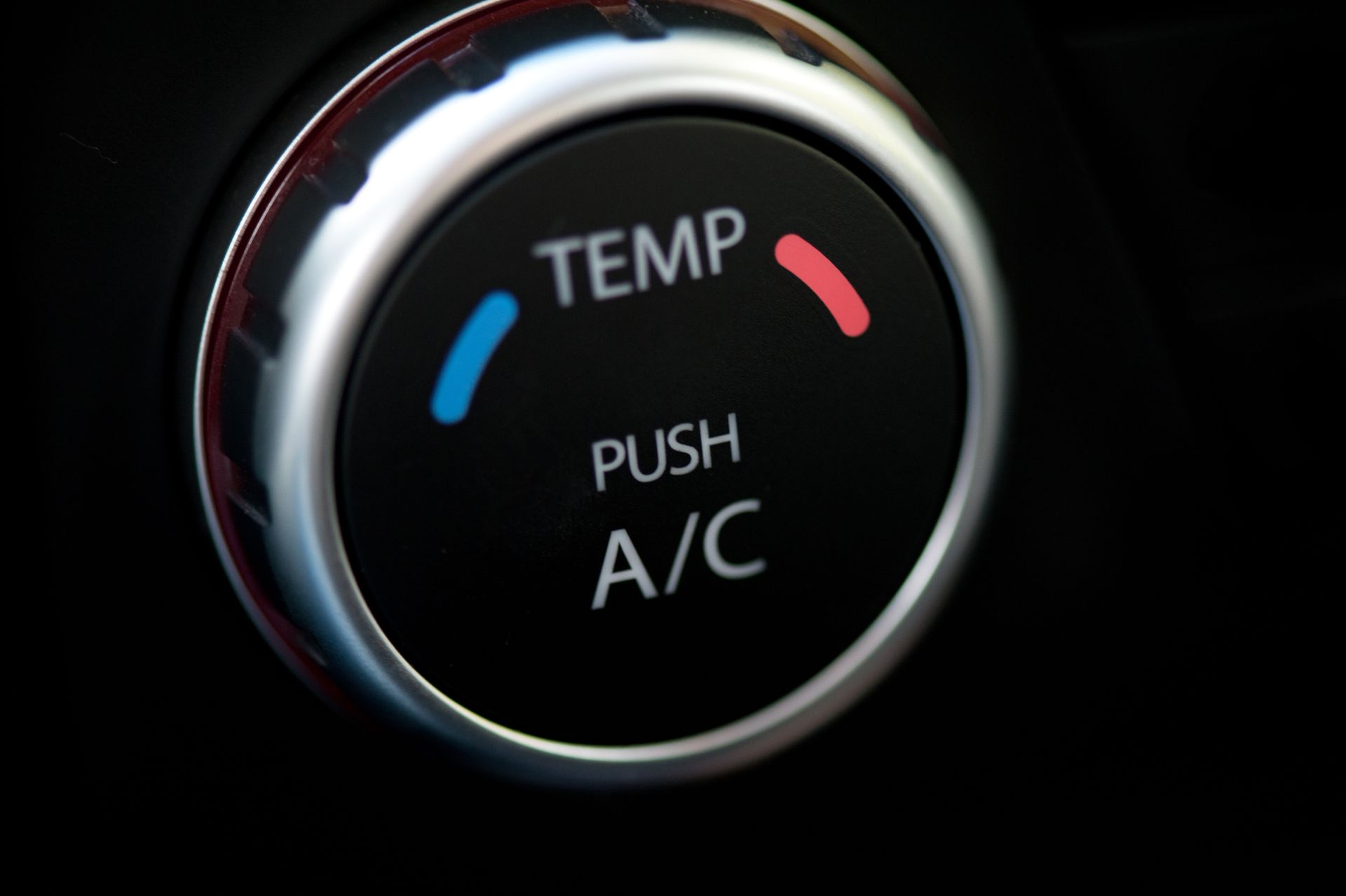
If you see this warning, reduce load right away, turn off the A/C if possible, and look for a safe place to pull over. Continuing to drive hot is one of the fastest ways to turn a manageable cooling repair into a much larger problem.
5. Brake System Warning Light
Brake warnings vary by vehicle, but a red brake warning light often points to something that needs immediate attention. It can mean the parking brake is engaged, brake fluid is low, or there is a hydraulic issue.
If the light is on and the brake pedal feels different, softer, lower, or you need much more effort, stop driving and get help. If the light appears right after brake service, it could be a sensor or fluid level issue, but it still needs a proper check.
6. ABS Warning Light
The ABS light usually means the anti-lock feature is disabled. Basic braking often still works, but ABS may not be there to help prevent wheel lock-up in a hard stop, especially on slick roads.
Common causes include wheel speed sensor faults, wiring damage near a wheel, rust and debris affecting a sensor signal, or even a failing wheel bearing. If the ABS light is on by itself and the pedal feels normal, you can typically drive cautiously to a shop, but give yourself extra stopping distance.
7. Tire Pressure Warning Light
This is often triggered by low tire pressure, but it can also come on from a sensor issue. Cold weather can drop tire pressure enough to trigger it, and a slow leak can do the same without leaving a visible flat.
If the light comes on, check pressures with a gauge, not just by looking at the tires. Driving on underinflated tires increases wear, reduces traction, and can lead to a blowout if the pressure gets too low.
8. Airbag Or SRS Warning Light
This light means the airbag system has detected a fault and may not work as designed in a crash. Sometimes it is caused by a bad seat sensor, a loose connector under a seat, or a clock spring issue in the steering column.
Even if the car drives normally, this is not a light to ignore. The whole point of the system is protection in a moment you cannot predict, so it is worth diagnosing sooner rather than later.
What To Do When A Warning Light Appears
- A good response is calm, consistent, and based on what you are seeing and feeling. Use this quick guide to decide your next step.
- Note whether the light is solid or flashing, and whether any other lights came on at the same time.
- Pay attention to how the car feels, braking, steering, temperature behavior, and power changes.
- If you see a red warning light or feel a clear change in braking or temperature, pull over safely and stop driving.
- Avoid clearing codes or disconnecting the battery to make the light go away, it can erase useful clues.
Schedule a diagnostic while the symptom is active if possible, because intermittent problems are easier to confirm when they are happening.
Get Dashboard Warning Light Diagnostics in Cleveland, OH, with Annie's Auto
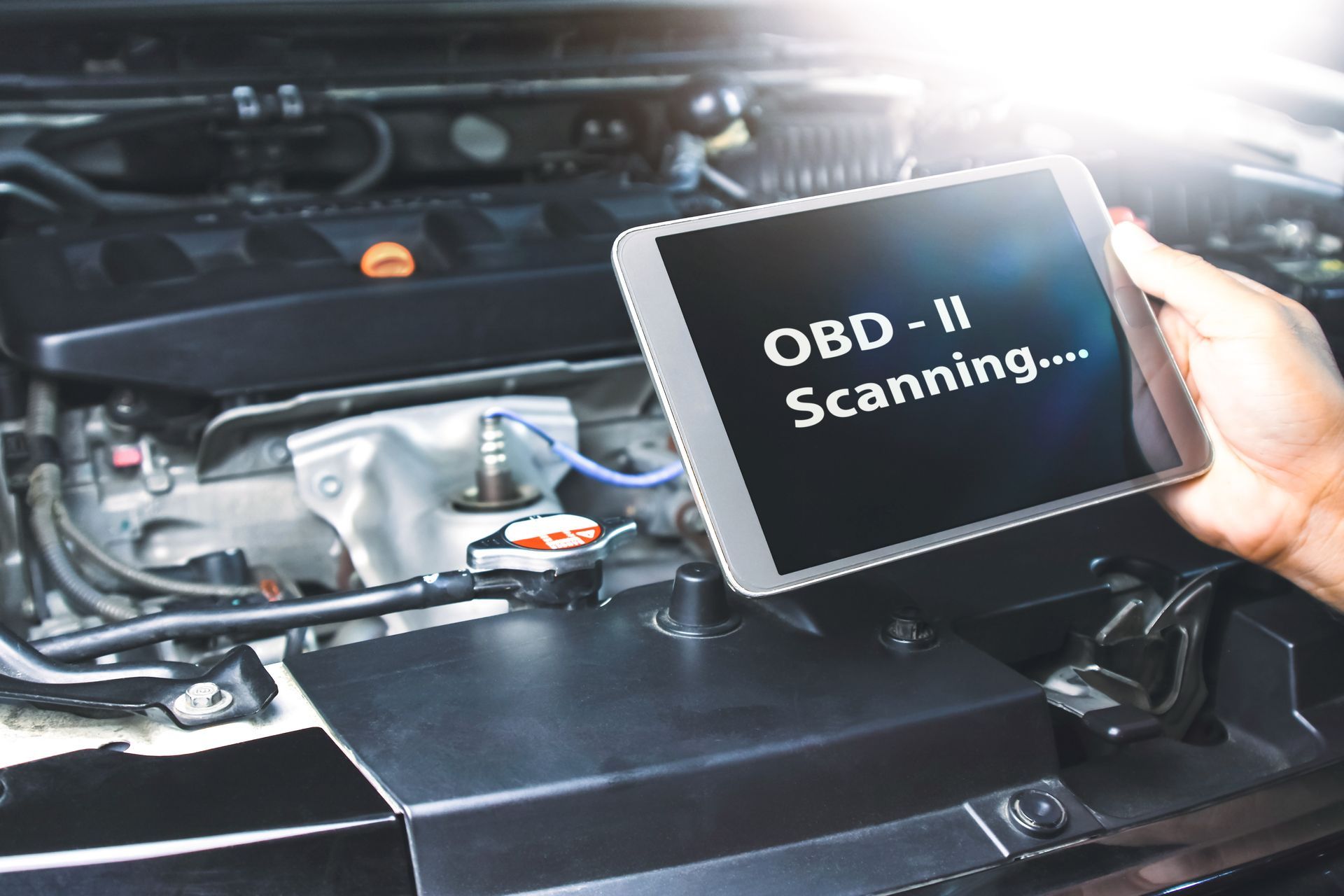
We can scan your vehicle, pinpoint what triggered the warning light, and confirm the right fix before parts get replaced unnecessarily. We will explain what we found in plain language and help you prioritize what should be handled right away.
Call
Annie's Auto in Cleveland, OH, to schedule dashboard warning light diagnostics and get clear answers you can trust.