Hard shifts and slipping often feel like they came out of nowhere. One week, the car is fine, the next week it bangs into gear or hesitates before it moves. Low transmission fluid is one of the first things to consider because it can change how the whole system behaves, even if nothing looks obviously wrong under the hood.
Here is how low fluid levels cause those symptoms and what to do before they get worse.
What Low Fluid Does To Automatic Shifting
Automatic transmissions rely on hydraulic pressure to apply clutches and control shift timing. When the fluid level drops, pressure can become inconsistent, especially during takeoff, shifting, or when the car is warm, and the fluid is thinner. That is when shifts start feeling harsh or delayed.
It can also change how the transmission reacts to throttle input. You might notice it holds a gear longer than it used to, or it shifts at odd moments. Those are not always software issues. Sometimes it is simply the transmission struggling to maintain stable pressure.
How Low Fluid Creates Slipping And Flare
Slipping is usually the feeling that the engine RPM rises without matching the acceleration. A flare is similar, but it happens during a shift, where the transmission seems to let go briefly before it grabs the next gear. Both can happen when the pump pulls in air along with fluid, which makes pressure less predictable.
Heat builds quickly when clutches slip. Even small amounts of slip create extra friction and stress, which can accelerate wear. If you notice slipping more on hills, during merges, or after a long drive, low fluid moves higher on the list.
Common Reasons Transmission Fluid Gets Low
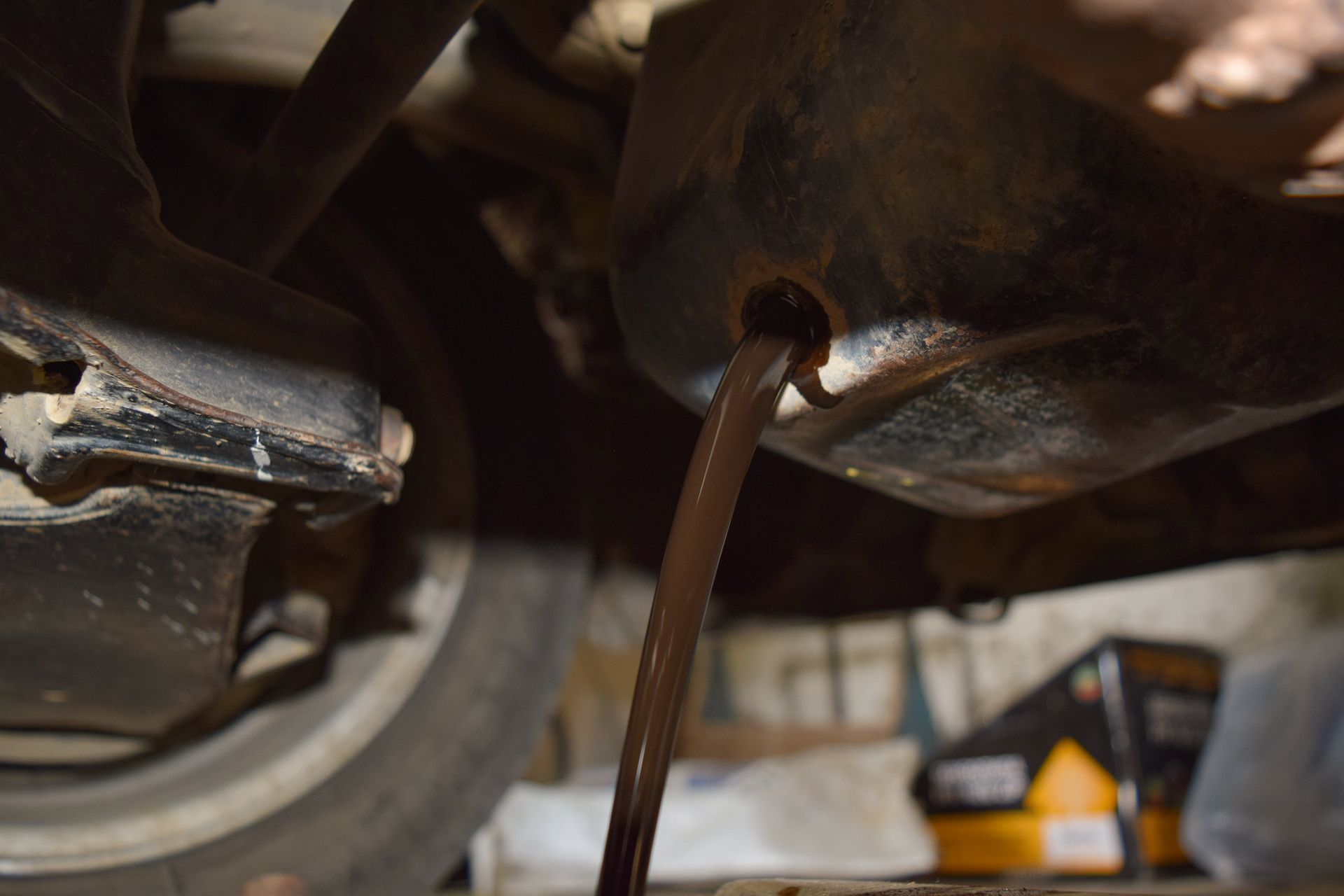
Transmission fluid does not get used up like fuel. If the level is low, it usually leaks out. Some leaks drip onto the ground. Others spread along the underside and are hard to spot until the level has already dropped.
Here are common leak sources that show up often:
- Seepage at the transmission pan gasket or drain plug area
- Axle seal leaks near the front wheels on many vehicles
- Cooler line seepage near fittings or crimps
- Leaks at the transmission cooler, radiator tank, or related connections
This is a good example of why regular maintenance matters. Catching a small seep early usually prevents the hard shift problem that shows up later.
Warning Signs You Should Not Ignore
Low fluid issues are not always loud, but there are patterns that tend to repeat. Hard shifts, slipping, and delayed engagement are the obvious ones. There are also smaller hints that drivers sometimes overlook.
If you notice any of these, it is worth checking soon:
- A delay when shifting into Drive or Reverse, then a sudden bump into gear
- New shuddering during acceleration at steady speed
- A hot smell after driving, especially after stop and go traffic
- Fluid spots that look reddish or dark and oily under the car
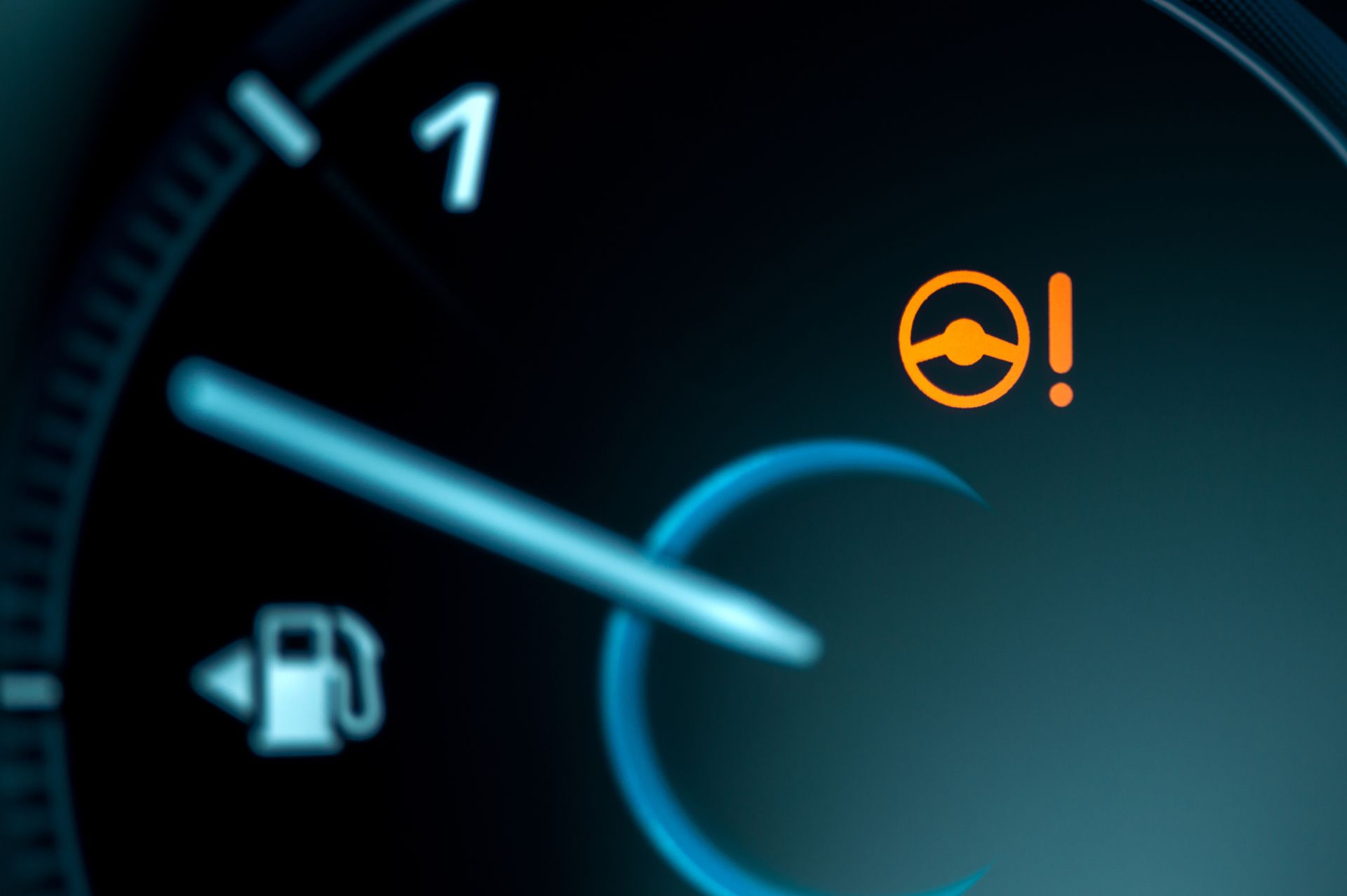
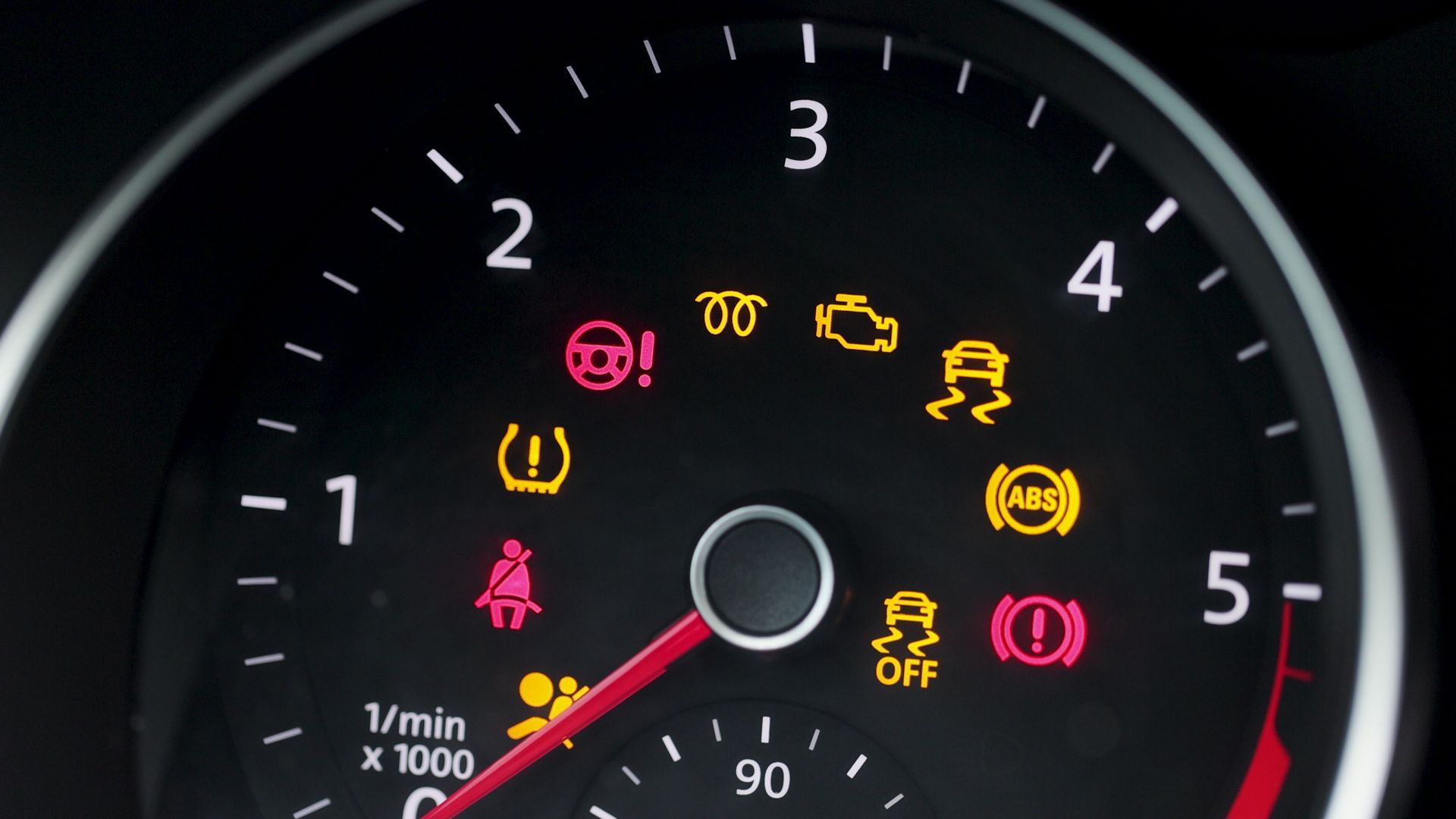
If a warning light appears and shifting behavior changes at the same time, do not keep testing it by driving harder. That usually adds heat and makes the issue worse.
Quick Checks You Can Do Before Scheduling Service
Start with the simple stuff. If your transmission has a dipstick, follow the correct procedure for checking it, since many require the engine running and the fluid to be warm. If your vehicle has no dipstick, do not guess by adding fluid because overfilling can also cause problems.
A few safe checks can help you describe the issue clearly during an inspection:
- Note whether the hard shifts happen cold, warm, or both
- Pay attention to whether slipping happens only under load or even gently
- Check for fresh fluid spots where you park overnight
- Notice whether the issue started after a long trip, towing, or a recent service
If the symptom is getting worse week to week, move it up your priority list. Transmission problems rarely improve on their own.
What A Shop Check Usually Includes
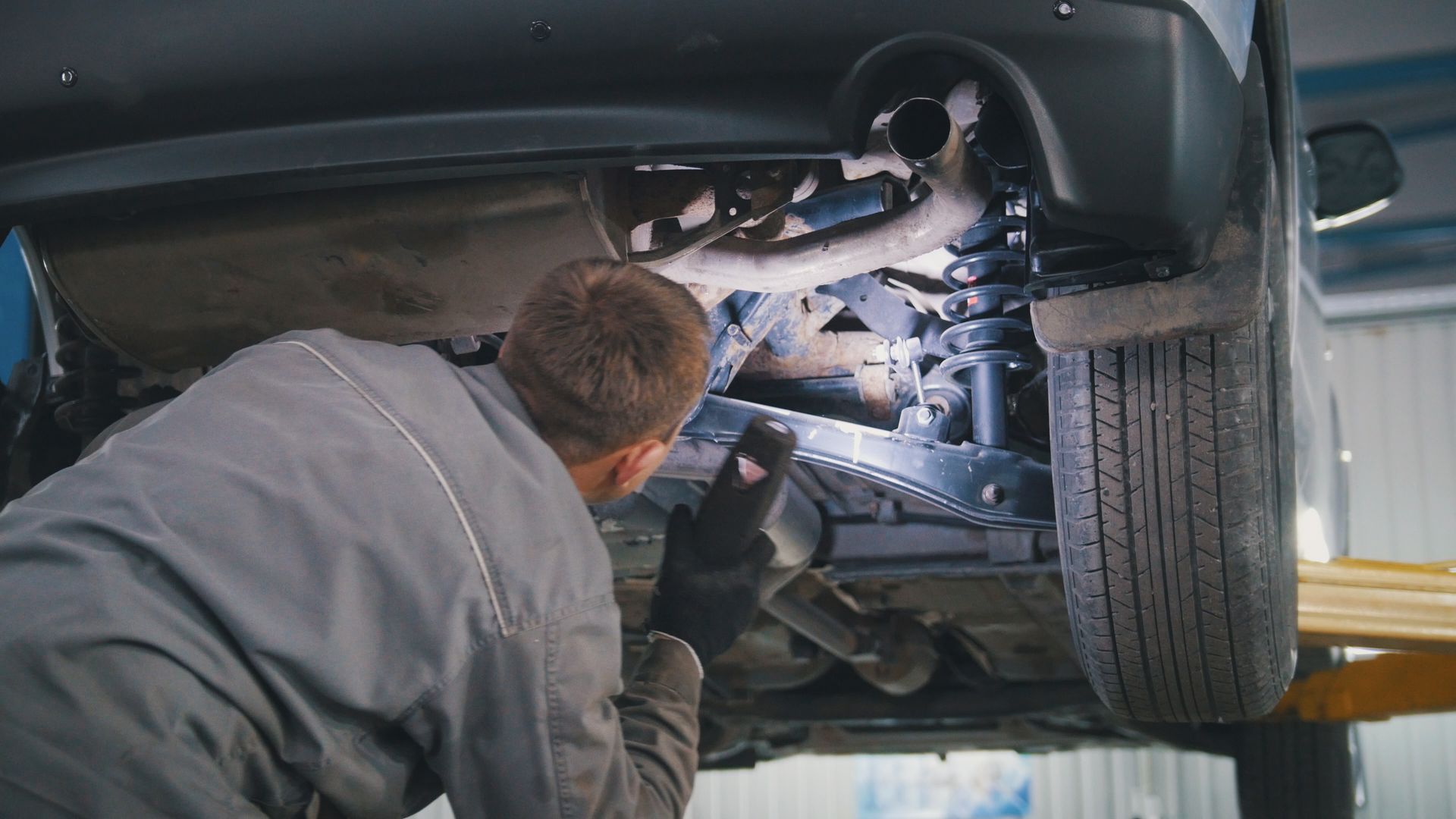
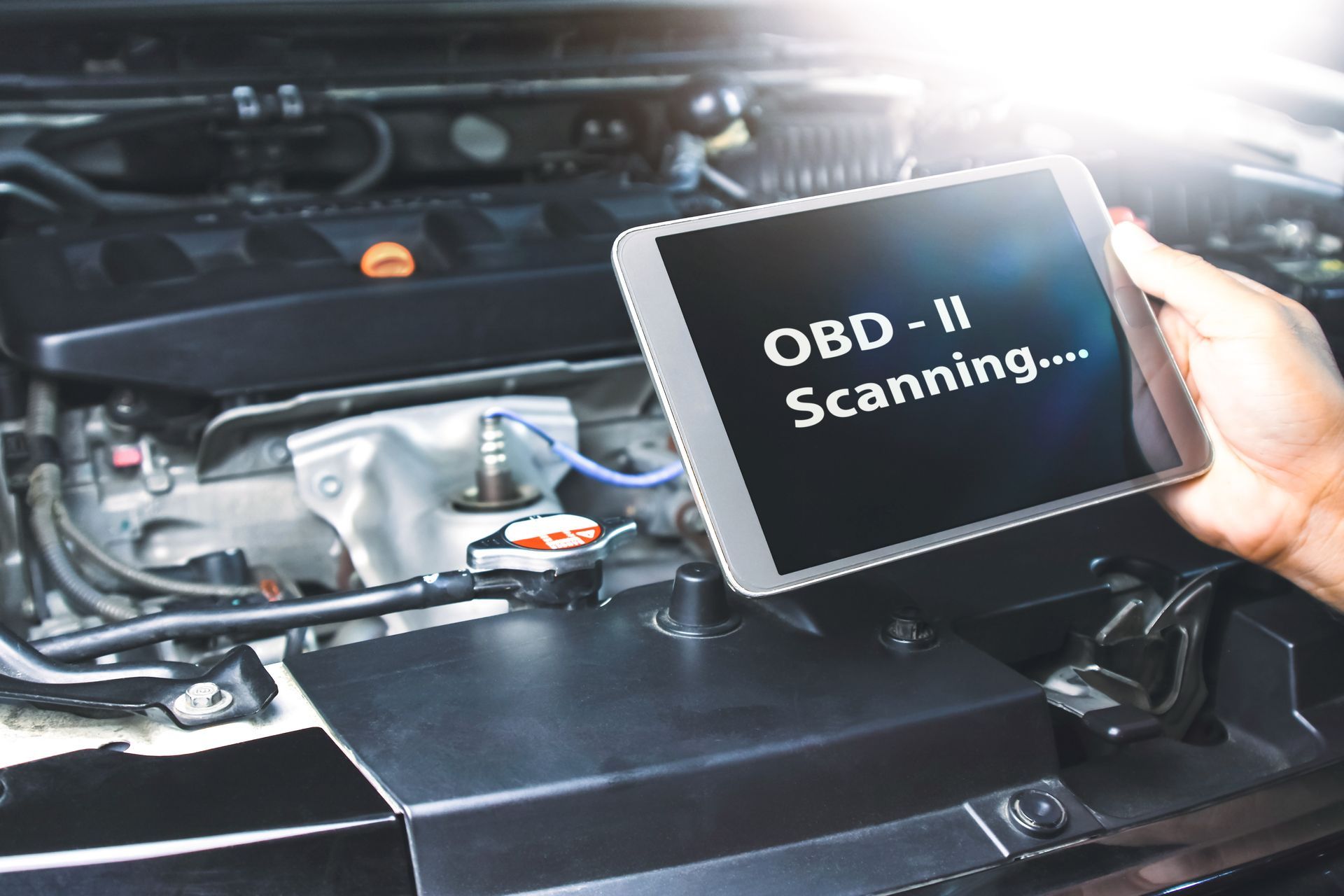
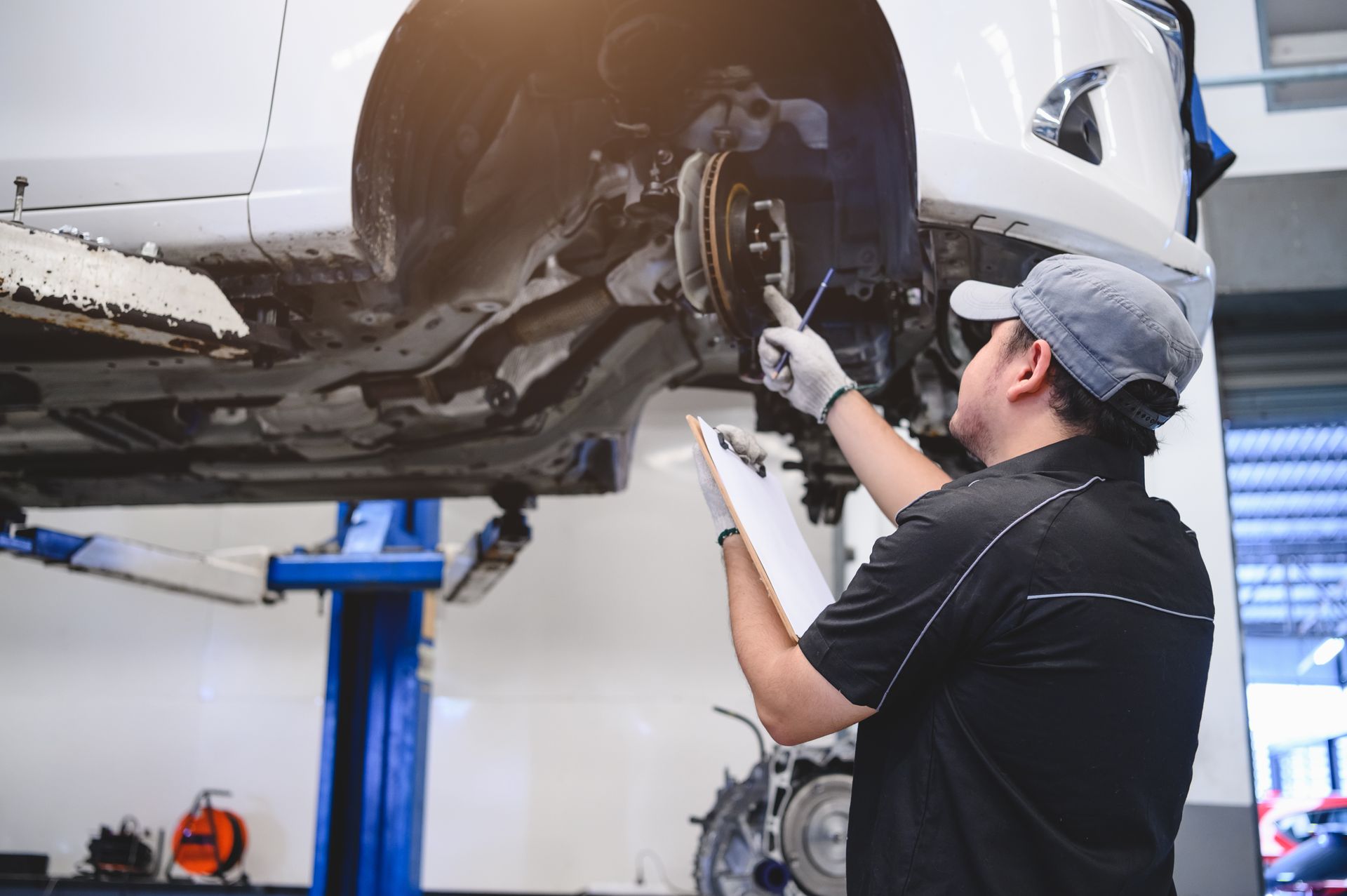
A proper check starts with confirming the fluid level and condition, then looking for the reason it got low. We also scan for stored information that can point to pressure control issues, shift errors, or related sensor inputs. The goal is to distinguish a low-fluid problem from an internal-wear problem before making major decisions.
We also look for leaks that are easy to miss, like cooler line seepage or axle seal leaks that spread fluid across the underside. Once the source is found, you can decide whether it is a simple leak repair and refill, or whether more service is needed to protect the transmission long-term.
Get Transmission Service In One Of Our Locations In Ohio, With Annie's Auto
If you are dealing with hard shifts or slipping, Annie's Auto in Ohio can check the fluid level, look for leaks, and explain what needs attention now versus what can be planned.
Schedule a visit and get ahead of the problem before extra heat turns it into a bigger repair.