A whining noise when you turn the steering wheel is hard to miss. It may first appear in a parking lot when you are backing out of a space or when the wheel is turned close to full lock. At first, it sounds like a small complaint.
Then it gets louder.
Power steering noise usually means the system is struggling to move fluid, hold pressure, or turn the steering components without extra strain. The cause can be simple, but the longer it runs dry or under pressure, the more expensive the repair can get.
Start With The Type Of Steering System
Not every vehicle uses the same steering setup. Older and many traditional vehicles use hydraulic power steering with fluid, a pump, hoses, and a steering rack or gearbox. Some newer vehicles use electric power steering, which relies on an electric motor and sensors instead of hydraulic fluid.
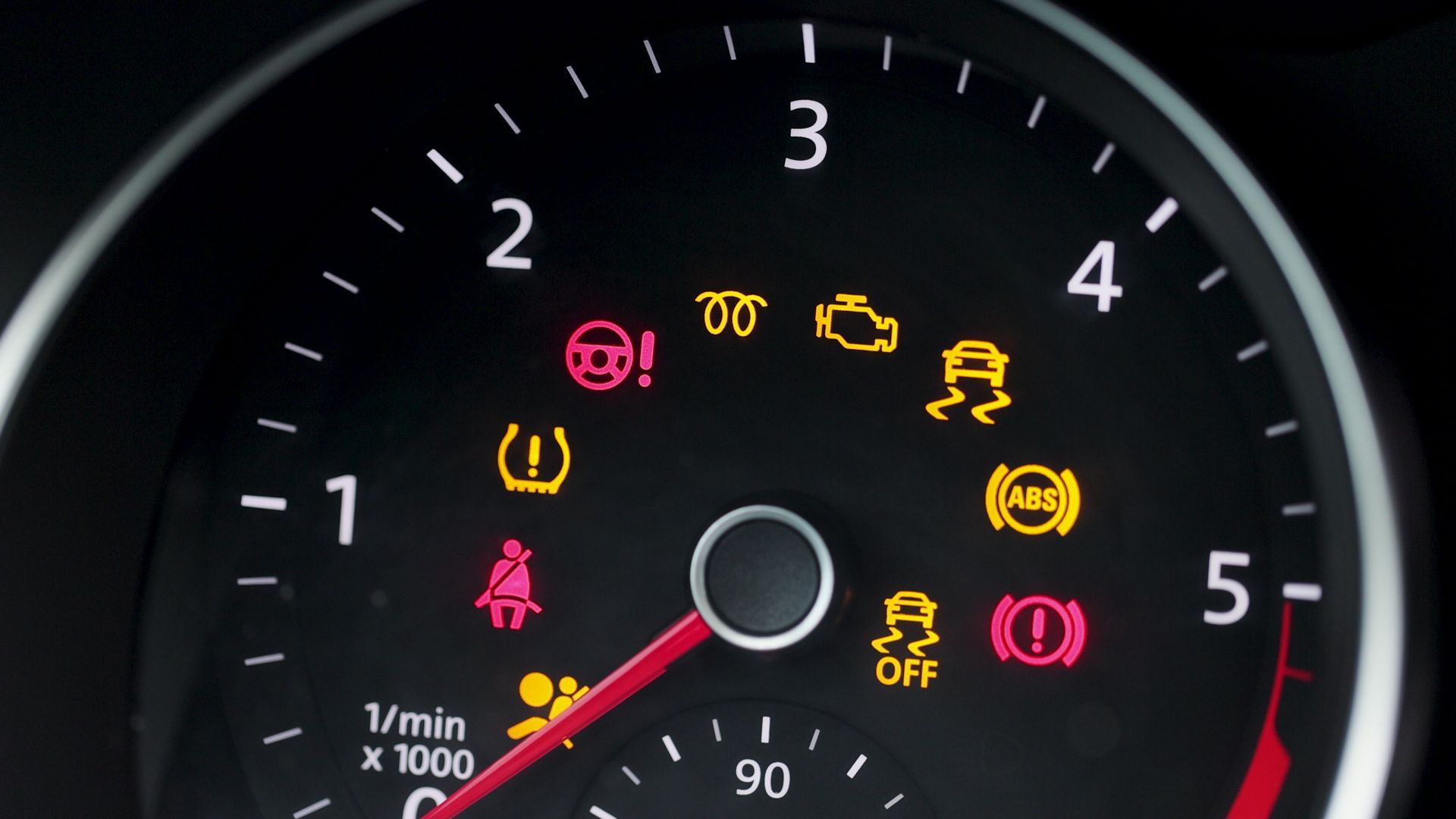
That difference matters because a hydraulic system is more likely to whine due to low fluid level, air, pump wear, or hose restriction. Electric steering usually creates different symptoms, such as warning lights, heavy steering, or assist that cuts in and out.
If the noise sounds like a high-pitched whine while turning, especially at low speed, we usually start by checking the hydraulic power steering.
Low Power Steering Fluid Is Common
Power steering fluid does not get used up like fuel. If the level is low, there is usually a leak somewhere. It might be a hose, pump seal, rack seal, reservoir, clamp, or connection point that seeps only when the system is under pressure.
Low fluid lets air get into the system. Once air mixes with the fluid, the pump can groan or whine because it is no longer moving a steady stream of fluid. You may also feel the steering get heavier, especially during slow turns.
A quick check of the reservoir can tell you the level, but it does not answer why the level dropped. That is where the leak has to be found.
Air In The System Makes Noise
Air in the power steering fluid can create a whining or foamy sound. Sometimes the fluid in the reservoir looks bubbly after the engine has been running. That is not normal. The system needs a steady flow of fluid to build pressure and maintain consistent steering assist.
Air can enter through a low fluid level, a loose return hose, a cracked line, or after recent steering work if the system was not bled correctly. In some cases, the noise gets worse when the wheel is turned back and forth because the pump is trying to move aerated fluid.
We look at the fluid condition, hose connections, and leak points before assuming the pump is bad. A noisy pump may only be reacting to air in the system.
A Worn Pump Can Whine Under Load
The power steering pump works harder when you turn the wheel at low speed, especially while parking. If the pump is worn, it may whine louder as steering demand increases. The noise can also get sharper when the wheel is turned all the way to one side.
Holding the wheel against the stop is hard on the pump. If you do it often, pressure spikes and heat build up inside the system. Over time, that can wear the pump and fluid faster than normal.
A worn pump may also leave metal particles in the fluid or create weak assist. If the fluid is full and clean, the belt is good, and there are no leaks or air bubbles, pump wear moves higher on the list.
Old Or Dirty Fluid Can Cause Trouble
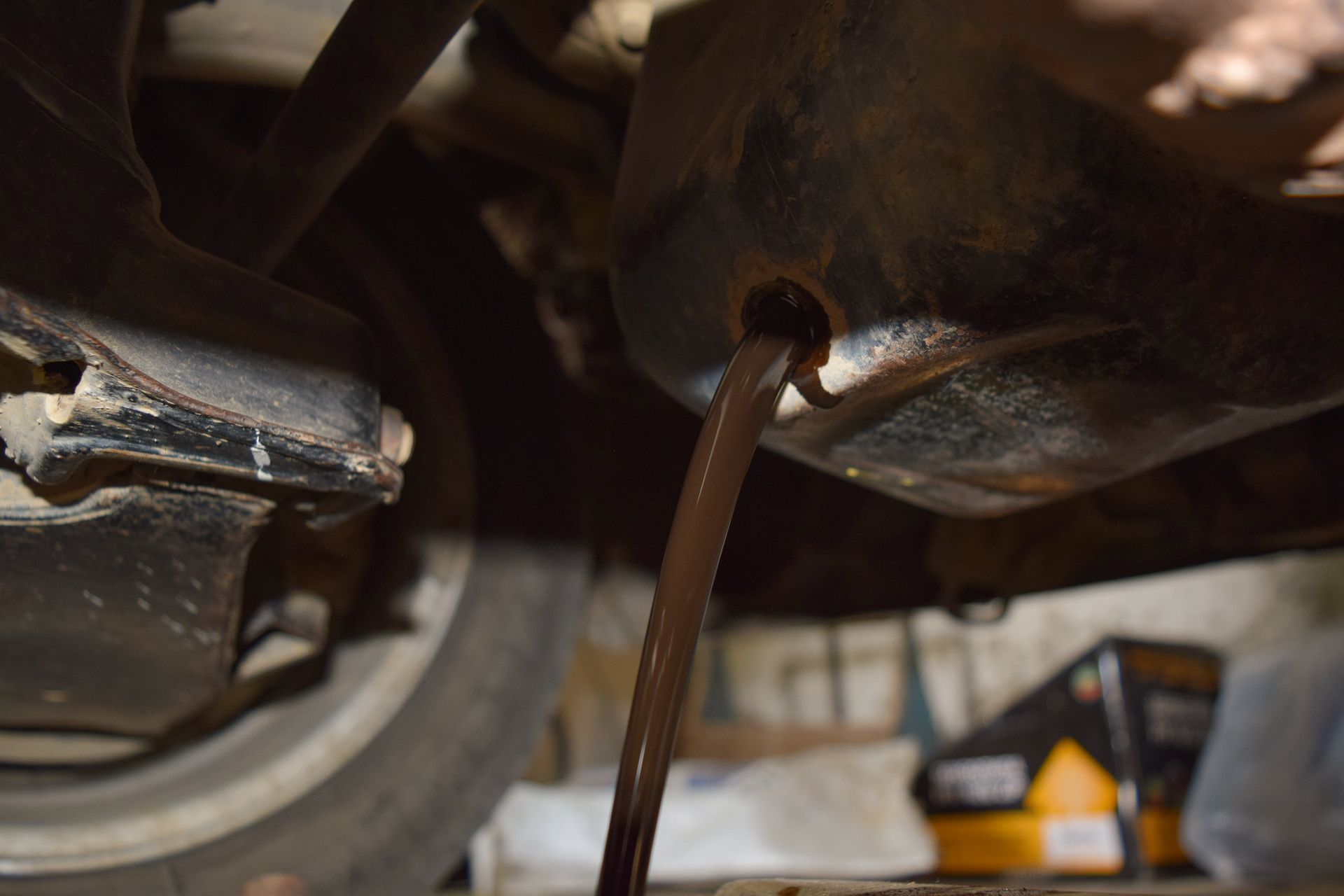
Power steering fluid breaks down over time and with heat. As it ages, it can darken, smell burnt, or carry debris through small passages. Dirty fluid can make the pump louder and can wear internal seals and valves.
Some vehicles are sensitive to the exact type of fluid. Using the wrong fluid can create noise, seal damage, or a poor steering feel. That is why regular maintenance helps. Checking fluid condition gives the shop a chance to catch old fluid before it damages parts that cost more than the service itself.
If the fluid is dark or contaminated, a technician needs to decide whether service is enough or whether worn parts are already involved.
Belts, Pulleys, And Steering Load
On hydraulic systems, the pump is usually driven by a belt. If the belt is loose, glazed, cracked, or contaminated with oil, it can slip when the steering pump loads up. That can sound like a whine or squeal during turns.
A weak belt tensioner or noisy pulley can create similar sounds. The noise may change with engine speed, A/C use, or wheel turning. One of our technicians will usually check the belt drive before blaming the steering pump, because a slipping belt can make a healthy pump sound worse than it is.
Steering components can also add load. A failing rack, tight ball joints, or worn suspension parts can make the pump work harder than it should.
When The Noise Needs Faster Attention
A slight whine that just started is one thing. A loud whine with heavy steering, fluid leaking onto the ground, a burnt fluid smell, or steering that catches while turning needs faster attention. If the pump runs without enough fluid, it can fail quickly.
Do not keep topping off the reservoir every few days without finding the leak. That usually means the system is losing fluid faster than it should. A proper inspection can confirm whether the repair is a hose, pump, rack, belt issue, or fluid service.
Power steering is one of those systems that gives you warning sounds before it gets worse. Use that warning while the repair is still easier to control.
Get Power Steering Service In Ohio, With Annie's Auto
If your steering wheel whines, groans, feels heavy, or you keep seeing low power steering fluid, Annie's Auto in Ohio can check the fluid, pump, hoses, belt, and steering components to find the source.