Oil change service is one of those maintenance items that sounds simple until it gets ignored long enough. The car may still start. It may still get you to work, school, the grocery store, and back home without making a strange sound. That is why many drivers push it off.
Inside the engine, though, old oil is not staying the same. It is collecting heat, moisture, fuel residue, tiny metal particles, and dirt. Little by little, it stops protecting the engine as well as it should. Delayed oil changes rarely cause trouble in one clean moment. The damage usually builds quietly first.
Fresh Oil Protects Moving Engine Parts
Engine oil creates a thin protective layer between moving metal parts. Bearings, camshafts, timing components, pistons, and valve train parts all depend on that oil film. Without it, metal surfaces would rub together and wear much faster.
Fresh oil also helps carry heat away from hot areas inside the engine. It does not replace the cooling system, but it does help keep certain parts from running too hot. When oil is clean and at the right level, the engine is more likely to do its job without extra stress.
Old Oil Breaks Down From Heat
Oil comes into contact with heat whenever the engine runs. Over time, that heat changes the oil’s ability to flow and protect. The oil can become thicker, darker, and less effective at moving through small passages. In some engines, it can also become too thin under heat and lose some of its protective strength.
That is where delayed service becomes risky. The engine may not sound different right away, but parts are working with oil that is past its best condition. Short trips, traffic, long idling, and hot weather can make this happen sooner than drivers expect.
Dirt And Sludge Start Building Up
Engine oil picks up contamination as it circulates. That is normal. The oil filter catches a lot of it, but neither the oil nor the filter lasts forever. When service is delayed, dirt and residue can start to accumulate in areas where clean flow matters.
Sludge is one of the bigger concerns. It can form when old oil, heat, moisture, and contaminants sit too long inside the engine. Sludge can restrict oil passages, slow oil movement, and make it harder for parts to get the lubrication they need. Once sludge gets heavy, a simple oil change may not undo everything.
The Oil Filter Gets Overworked
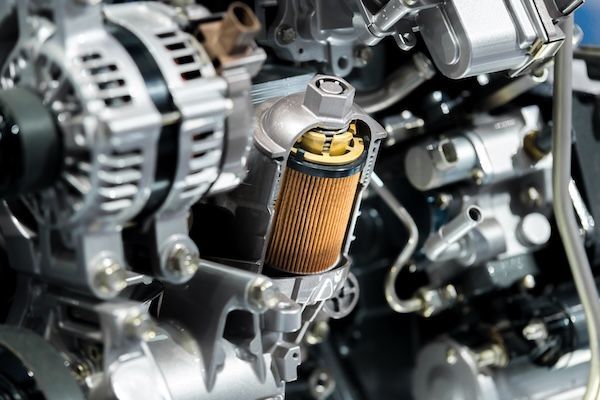
The oil filter has a quiet but important job. It traps small particles so they do not keep circulating through the engine. When an oil change is delayed, the filter stays in service longer than it should. Eventually, it can become dirty, restricted, or less effective.
A restricted filter can affect oil flow. If the filter bypass opens, oil may still flow through the engine, but it may not be filtered as it should. That means more debris can circulate through sensitive parts. Fresh oil and a fresh filter should work together. Skipping either one weakens the whole service.
Low Oil Makes Everything Worse
Delayed oil service sometimes comes with another problem: low oil. Some engines use oil between services. Others leak slowly. A driver may not notice because there is no warning light and no large puddle under the car.
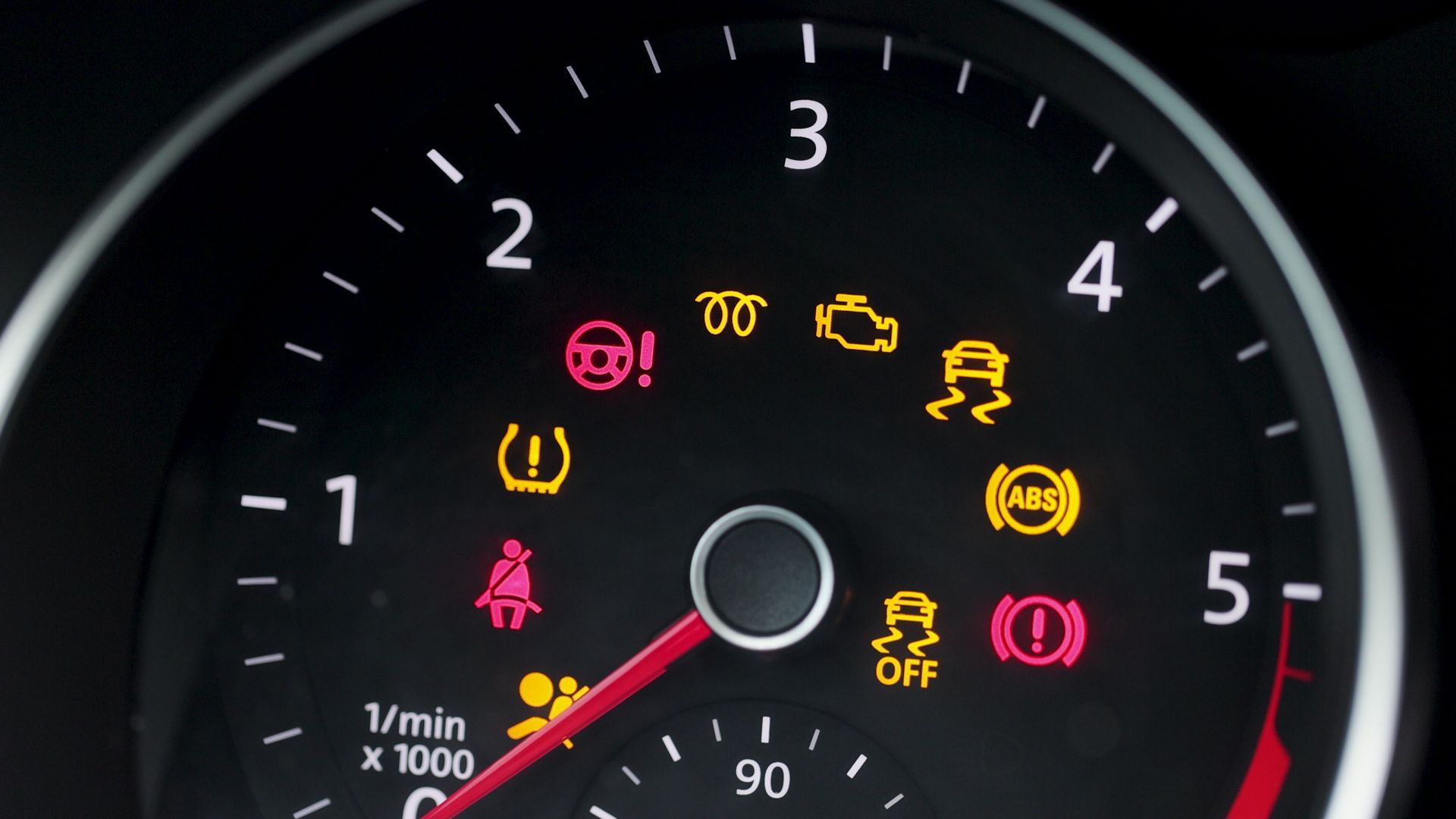
Low oil leaves less fluid available to protect the engine and carry heat. If the level drops too far, oil pressure can suffer. The first signs might be ticking, rattling, or an oil pressure warning light. That light is not an oil change reminder. It can mean the engine is not getting the pressure it needs right now.
Timing Parts Can Suffer
Many modern engines use timing chains, variable valve timing components, and oil-controlled actuators. These parts depend on clean oil moving at the right pressure. Dirty or thick oil can slow response and increase wear.
When oil change service is delayed again and again, timing parts can become noisy or less reliable. You might hear rattling during startup, notice rough running, or see a check engine light. By then, the issue may be beyond basic maintenance. Regular maintenance helps keep these parts from being forced to work with dirty oil for too long.
Small Leaks And Burning Oil Can Go Unnoticed
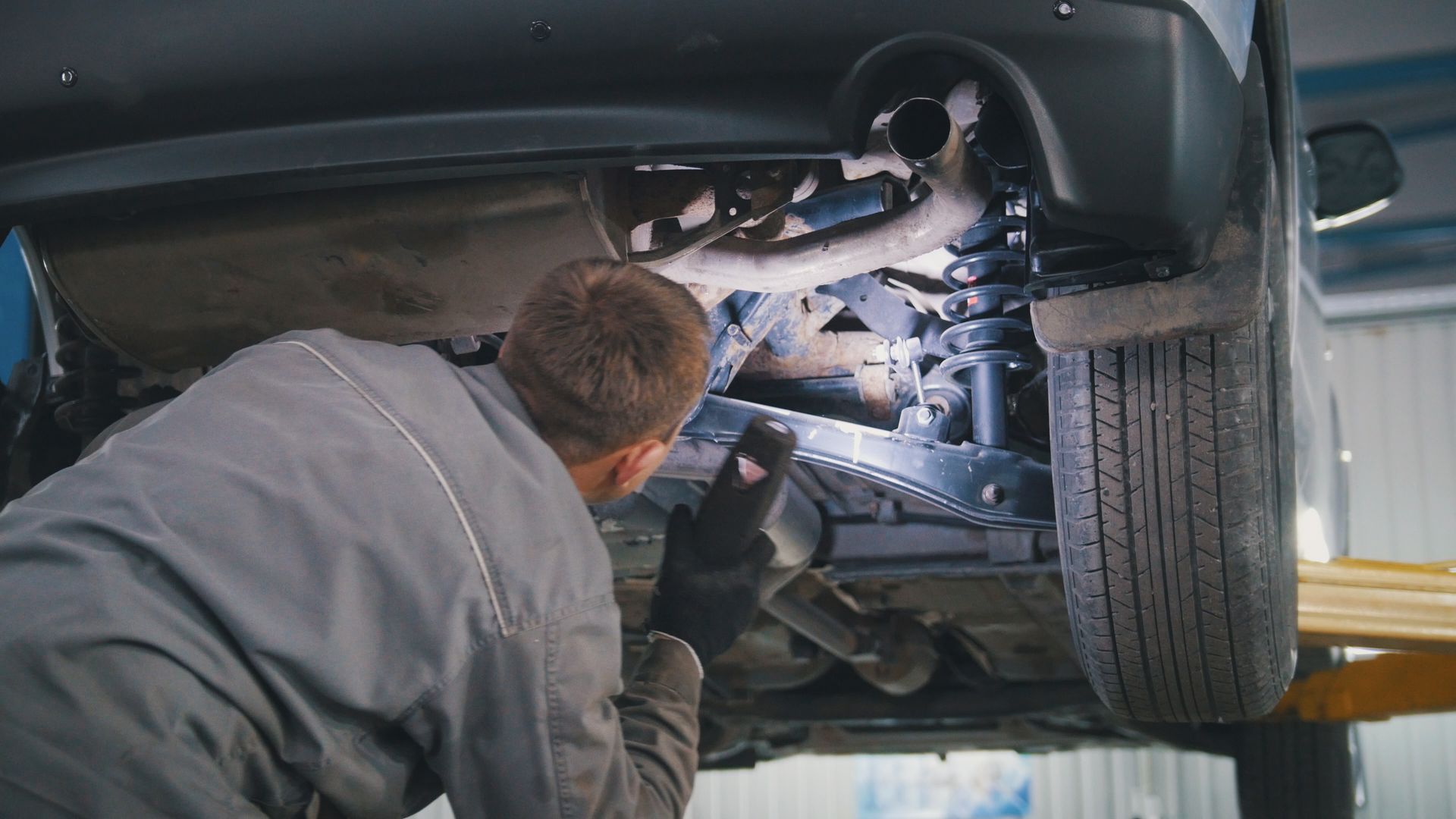
Oil service is also an opportunity to check for leaks, burning smells, and level changes. A valve cover gasket, oil pan gasket, drain plug, oil filter housing, or seal can start leaking slowly. Some leaks drip. Others burn off on hot engine parts, leaving only a smell.
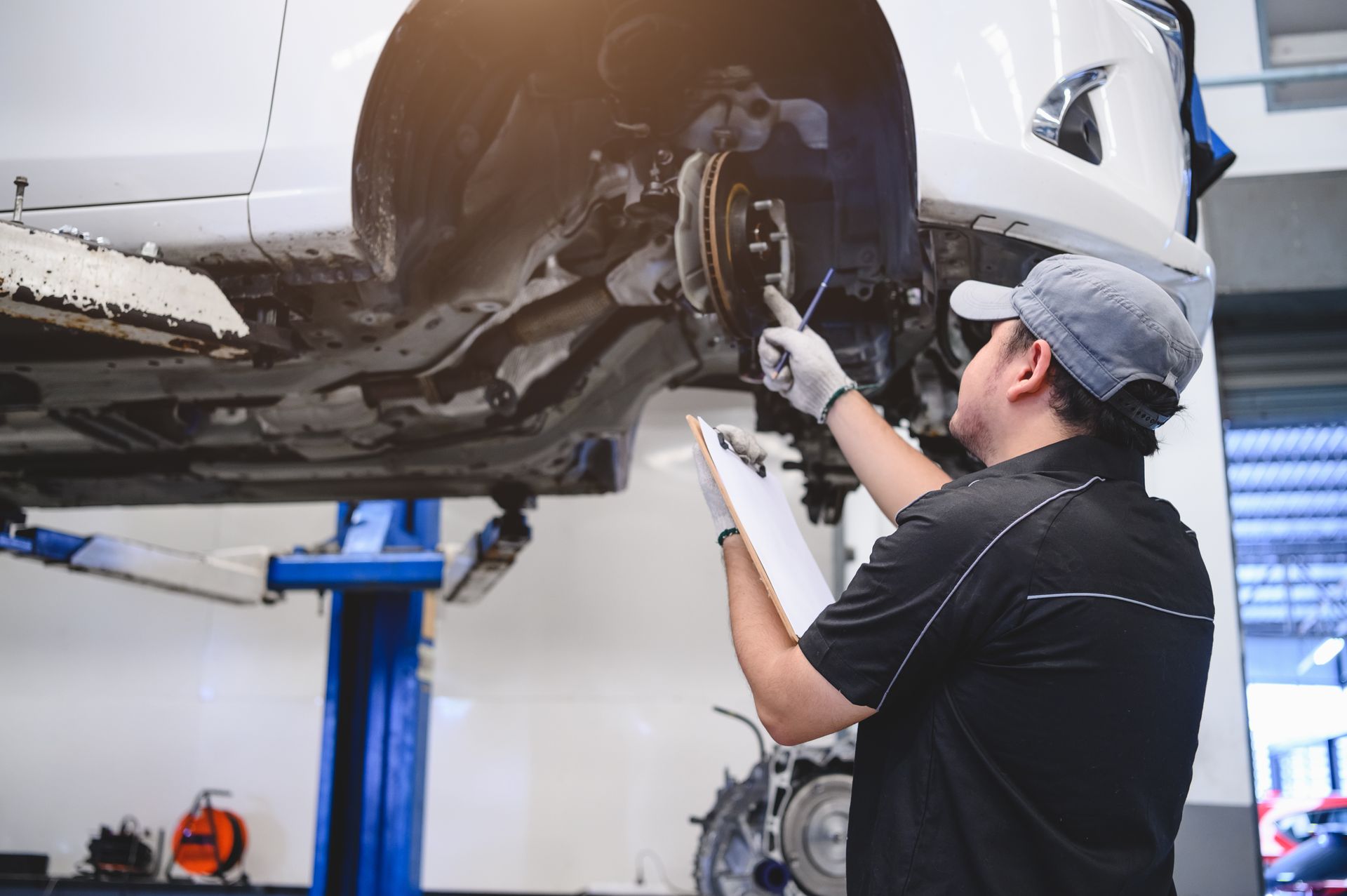
If oil is burning inside the engine, the level can drop without leaving a spot on the driveway. That is one reason an inspection during oil service matters. The goal is not just to drain and refill the oil. It is also to catch clues before the engine has been running low or dirty for too long.
Get Oil Change Service In Ohio, With Annie's Auto
If your oil change service is overdue, your oil level keeps dropping, or you are not sure what condition the oil is in, Annie's Auto in Ohio can help with the right oil and filter for your vehicle.