A vehicle should rise and settle after crossing a bump. When it keeps bouncing up and down, rocks from side to side, or feels like it floats over the road, the suspension is no longer controlling the vehicle's movement as it should. The change may be subtle at first, especially if the shocks or struts have been wearing gradually for years.
A bouncy ride is more than an annoyance. Suspension movement affects how firmly the tires stay connected to the pavement, which influences steering, braking, and stability. Worn dampers are a common cause, but weak springs, damaged mounts, tire problems, and loose suspension components can also cause a similar feeling.
Worn Shocks Or Struts Are The Most Common Cause
Shocks and struts control the energy stored in the vehicle’s springs. The spring compresses when a tire hits a bump, then pushes back as the vehicle rises. The shock or strut slows that movement, so the body settles rather than continuing to bounce.
As the internal valves, seals, and fluid wear, the damper loses control. The vehicle may rebound several times after a dip, feel floaty on rolling roads, or sway after changing lanes. The ride can seem soft, but it is not the controlled softness the suspension was designed to provide.
The Tires May Lose Contact With Rough Pavement
A worn shock does not simply allow the body to move more. It can also let the wheel bounce against the pavement. Each time the tire becomes light or briefly loses firm contact, steering and braking become less consistent.
This is especially noticeable on broken pavement, washboard surfaces, or roads with repeated bumps. The steering wheel may feel busy, and the car may need frequent corrections. During braking, the tires may skip over rough areas instead of staying firmly planted, even when the brake pads and rotors are in good condition.
Weak Or Broken Springs Can Change Ride Height
Springs support the vehicle’s weight and determine much of its normal ride height. Over time, a spring can weaken, sag, or break near the top or bottom coil. The vehicle may sit lower at one corner, bottom out more easily, or lean when passengers or cargo are added.
A weak spring and worn shock often appear together because both parts have handled the same miles and road impacts. Replacing a damaged damper without checking spring height and condition can leave the car sitting unevenly or using too much suspension travel over ordinary bumps.
Strut Mounts And Bushings Can Add Noise And Movement
The upper strut mount connects the strut assembly to the vehicle body while cushioning vibration and allowing movement. When the rubber separates, or the bearing wears, the suspension may clunk, pop, or feel less controlled. A damaged mount can also let the strut shift slightly as the wheel moves.
Control arm bushings, sway bar bushings, and other rubber suspension parts can create extra movement too. The vehicle may feel loose rather than purely bouncy, especially while braking or turning. Since several worn parts can work together, the inspection should cover the full suspension instead of focusing only on the shock absorbers.
Tire Problems Can Feel Like Suspension Trouble
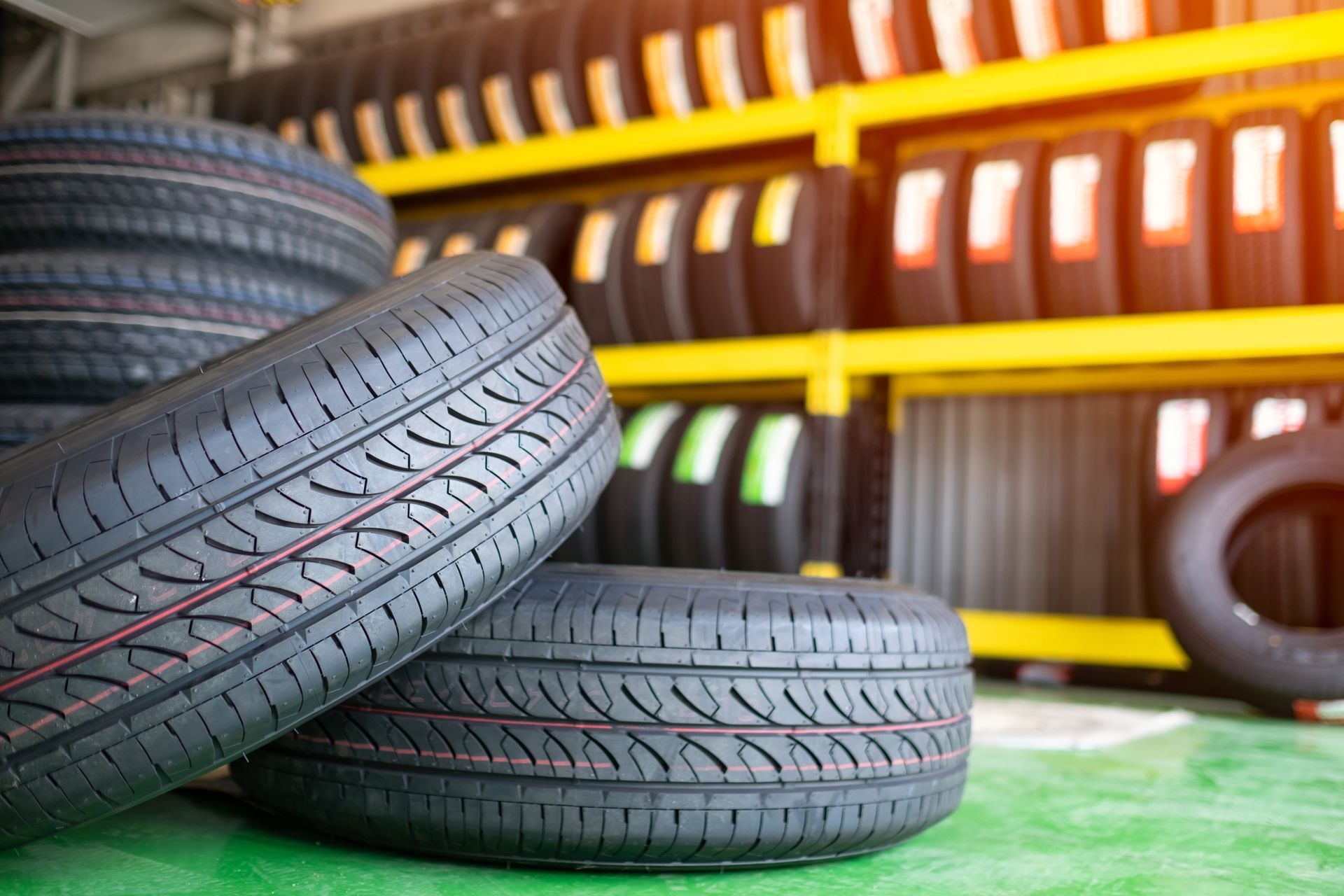
Incorrect tire pressure can change how the vehicle responds to bumps. Overinflated tires may create a harsh, jumpy ride because the sidewalls cannot absorb smaller road imperfections well. Underinflated tires can feel soft and unstable while also building extra heat.
Damaged or unevenly worn tires can create a repetitive bounce that follows the road speed. Cupped tread is especially important because weak shocks and struts can cause the tire to develop a scalloped pattern. Once that wear occurs, replacing the suspension parts may prevent further damage, but the tire can continue to make noise or vibrate until it is replaced.
Signs The Suspension Is Losing Control
A bouncy ride often appears with other changes that make the problem easier to identify.
- The vehicle continues moving after crossing a dip.
- The front end drops sharply during braking.
- The rear squats more than usual during acceleration.
- The car leans heavily through turns.
- One corner sits lower than the others.
- The tires show cupping or uneven wear.
- You hear clunks, rattles, or knocks over broken pavement.
These clues do not all point to the same part. A road test and physical inspection are needed to separate worn dampers from spring damage, loose bushings, tire concerns, and steering problems.
Why The Bounce Gets Worse With Passengers Or Cargo
Extra weight compresses the springs and reduces the available suspension travel. A healthy system can handle normal passengers and cargo while maintaining control. When shocks, struts, or springs are worn, the vehicle may begin bouncing more, scraping over dips, or hitting the bump stops.
Weight placed behind the rear axle can make the front feel lighter and less responsive. If the vehicle regularly carries tools, equipment, or heavy cargo, worn rear suspension parts may become obvious sooner. Tire pressure should also be adjusted when the manufacturer provides a separate recommendation for a fully loaded vehicle.
Do Not Rely Only On A Simple Bounce Test
Pushing down on one corner and watching how many times it rebounds can reveal a severely worn damper, but it does not provide a complete diagnosis. Some modern shocks and struts can pass a basic driveway test while still performing poorly during braking, turning, or repeated road impacts.
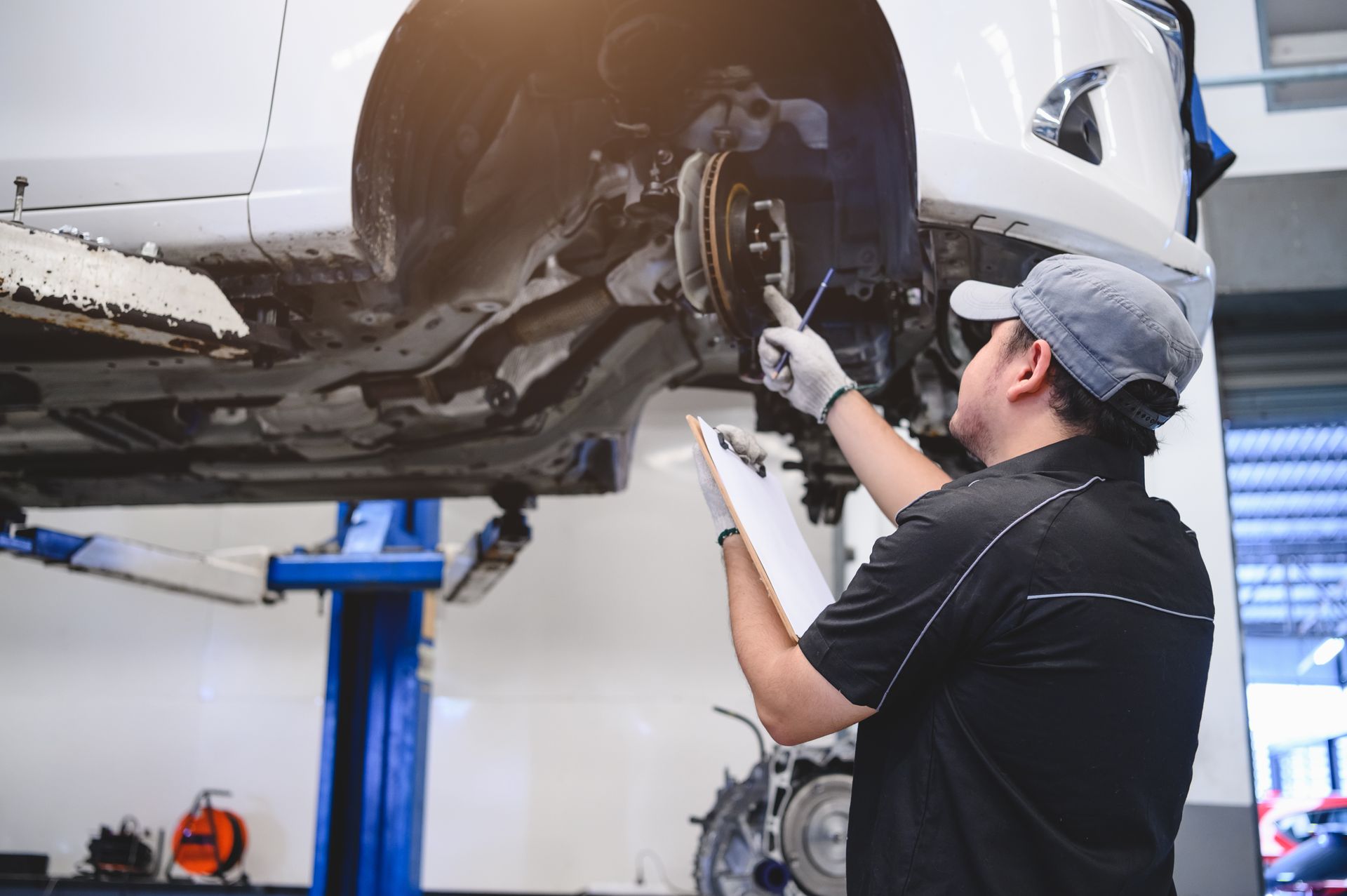
A technician can inspect for fluid leakage, damaged mounts, broken springs, torn bushings, loose joints, and abnormal tire wear. A road test shows how the vehicle responds under real load. Regular maintenance and inspection can catch suspension wear before it damages tires or makes the car difficult to control.
Get Suspension Repair In Ohio With Annie's Auto
If your car bounces after bumps, floats on the highway, leans through turns, or wears its tires unevenly, Annie's Auto can inspect the shocks, struts, springs, mounts, bushings, tires, and related suspension parts.
Contact us to schedule an appointment and restore a more controlled, predictable ride.