A slow first start is worth checking before an Ohio cold snap leaves you stranded. Listen for a change in the way the engine turns over. If a once-brisk start has become a tired, drawn-out crank, get the battery tested while the car still gets you where you need to go.
The starter asks the battery for a large burst of current. An aging battery gradually loses the ability to deliver it, and colder temperatures make the weakness easier to notice. Recent jump-starts, electrical resets, and a battery with several years of service all add useful clues to that morning starting sound.
Slow Cranking and a Weak Car Battery
The engine should crank with enough speed to start normally. A slower, labored sound is worth noticing, especially when it becomes a pattern. Perhaps the first start is sluggish, but the vehicle starts more easily after you stop at a store later.
Cold reduces the battery's available output while increasing the effort needed to turn the engine. That combination exposes weakness that stayed hidden during warmer weather. A battery that struggled in fall deserves testing before the next freezing morning.
The check also includes connections and the starting circuit. Loose terminals, corrosion, or resistance in a cable make it harder for current to reach the starter. Testing separates a tired battery from a poor connection so the repair addresses what's actually slowing the engine.
Battery Age and Replacement Timing
Many vehicle starting batteries last roughly three to five years, with operating conditions influencing the result. Treat that range as a planning guide. The best decision comes from the battery's age, condition, and performance.
If you bought the car used and don't know when the battery was installed, check your records or have the date information reviewed during service. Knowing it's several years old makes a new slow-cranking complaint more significant than the same symptom immediately after a recent replacement.
You don't have to wait for an older battery to fail completely before testing it. A performance check while the car still starts gives you time to compare replacement options and book the work. That's easier than arranging help in a cold parking lot after the battery finally dies.
How Ohio Driving Habits Affect Battery Charge
Short trips ask the battery to start the engine repeatedly while giving the charging system relatively little operating time. Heated seats, lights, defrosters, and blower motors add electrical demand during winter driving. Over a series of short trips, a battery can spend too much time below full charge.
Long periods of parking create a different problem. Vehicle electronics use some electricity after shutdown, and that normal demand gradually reduces stored charge. An unusual drain speeds up the decline. A healthy battery still needs enough charging time or a properly chosen maintenance charger when the vehicle sits for extended periods.
Describe your usual driving when you book. A battery supporting brief errands has a different charging history from one used on a daily highway commute. If the car regularly needs a jump after two parked days, mention that pattern as well. It helps the technician check for a drain that continues after shutdown.
Warning Signs of a Failing Car Battery
Several changes deserve attention, especially when they appear together:
- Cranking that has become noticeably slower
- A recent need for one or more jump-starts
- Electrical functions resetting after an attempted start
- Visible corrosion or looseness at the terminals
- A battery case that is swollen, cracked, or leaking
Let a professional handle a swollen, leaking, or damaged battery. Acid and high electrical current create a real risk during improvised repairs. If you're stranded, use the jump-start or assistance instructions for your vehicle. Some cars have designated connection points that keep the procedure away from the battery itself.
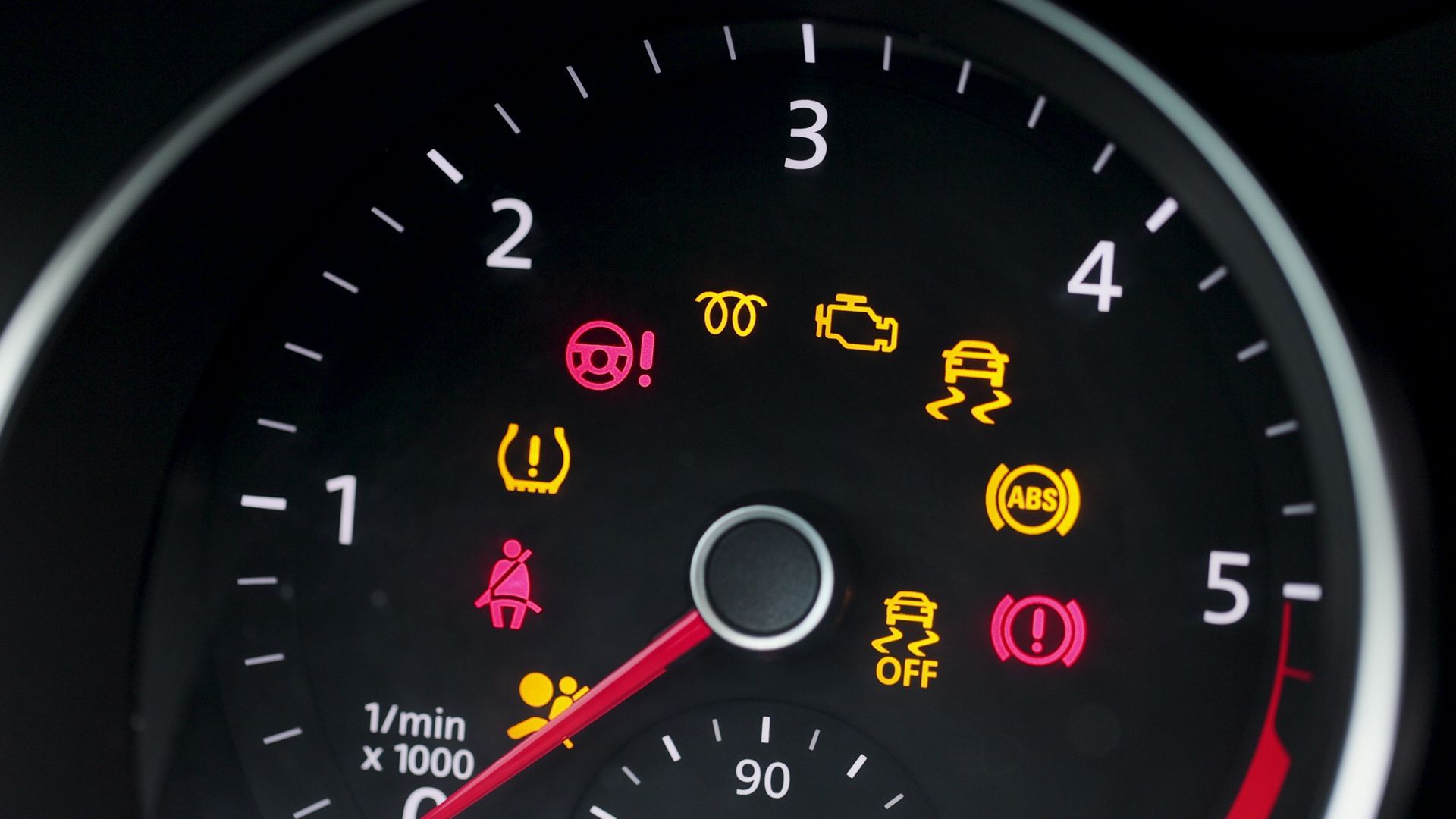
A battery or charging warning while driving needs its own check. The light usually indicates a charging system issue, so the shop should check the alternator, wiring, and belt drive, as well as the battery. Explain whether it appeared before or after the starting trouble.
Battery Testing Before Replacement
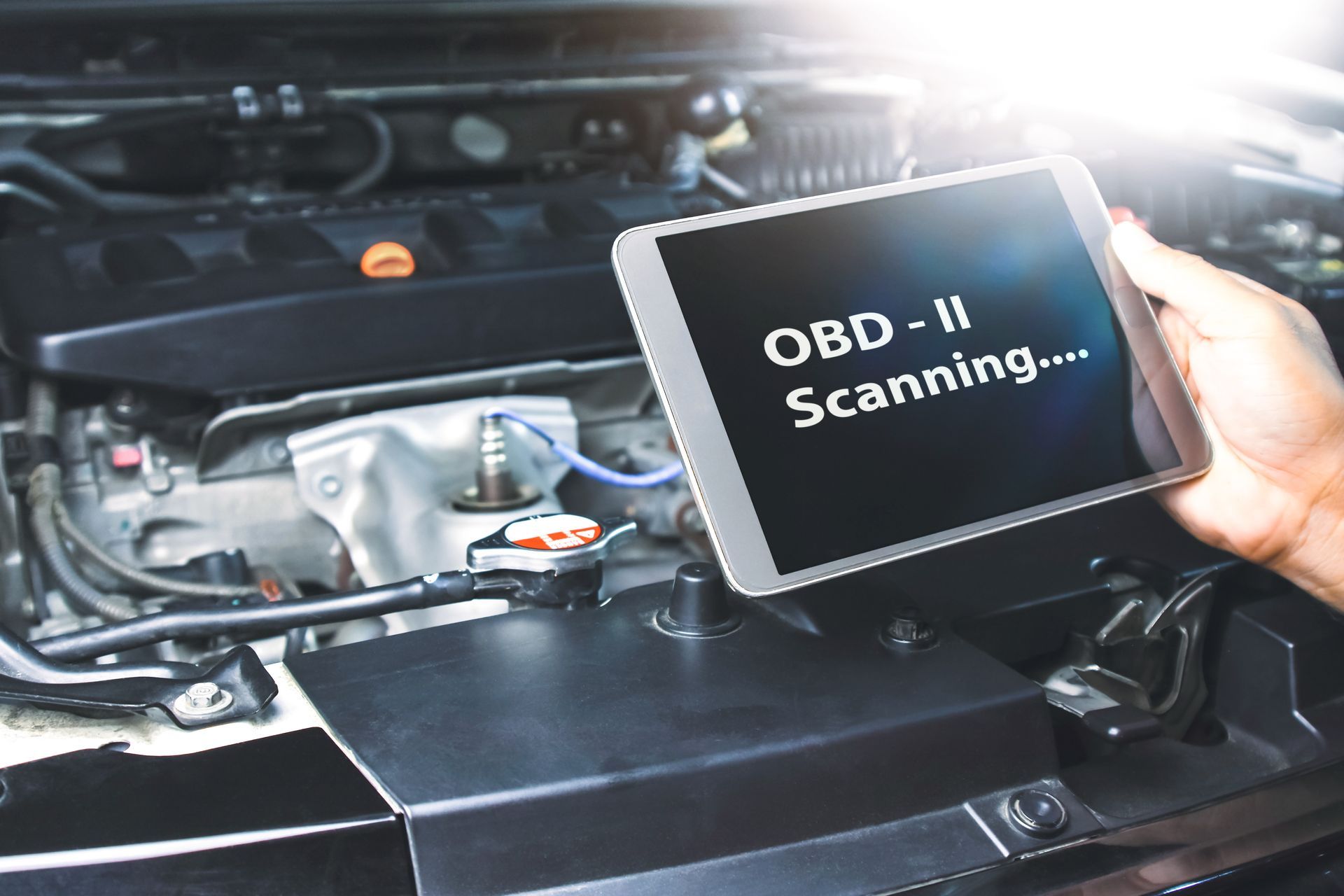
The battery needs a test of both its charge and its ability to deliver starting power. If it's discharged, charging and retesting often come first. The technician also checks the terminals and cables because corrosion or looseness can block current from reaching the starter and skew the test results.
Testing helps distinguish low charge from lost capacity. The first raises a question about driving habits, charging performance, or a drain while parked. The second supports replacement when the battery has reached the end of useful service.
The replacement needs the correct size, terminal arrangement, starting capacity, and battery technology for the vehicle. Some cars use absorbed glass mat batteries or another required design, and certain models need a battery management reset or registration after installation. Following that procedure helps the charging controls work with the new battery.
Keep the replacement date and invoice. If the car needs another jump soon afterward, the next checks should include charging, connections, parked electrical demand, and the starter. That record saves time and helps prevent a cycle of replacing batteries while a separate electrical problem continues to drain them.
When requesting a replacement estimate, check whether it includes installation, any required reset, and the handling of the old battery. A complete quote makes comparison easier than looking at the battery's purchase price alone.
Car Battery Replacement at Annie's Auto
Annie's Auto in Ohio can help with battery testing and replacement when morning starts become slower. Bring the installation date if you know it, and mention recent jumps or long periods of parking. We'll discuss the battery's condition and any starting-system checks needed before you choose a replacement.
Book battery testing with
Annie's Auto before the next freezing morning catches you with a weak battery.