Finding out that two tires are worn out does not always mean all four need to be replaced. On many vehicles, replacing a pair can be perfectly reasonable if the other two tires still have plenty of usable tread, are in good condition, and closely match the new tires in size and performance characteristics.
There are also situations where replacing all four is the better choice. All-wheel-drive systems can be sensitive to differences in tire circumference, and a large tread-depth difference between old and new tires may affect how the drivetrain operates. The right choice depends on the vehicle, the condition of the remaining tires, and how closely the tires match.
Start by Measuring the Remaining Tread
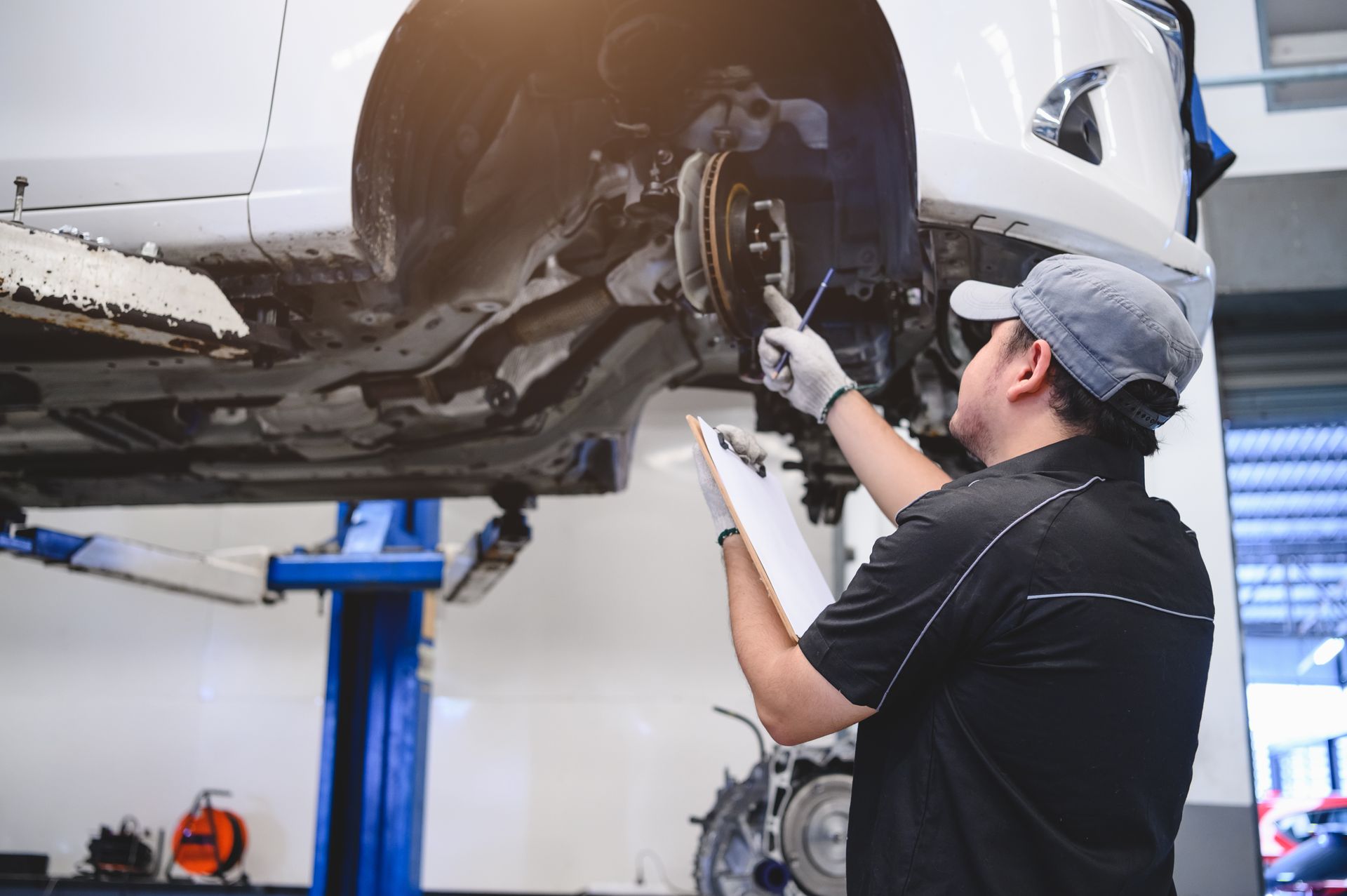
The first step is to measure tread depth on all four tires rather than judging them by appearance. A tire can look acceptable from a few feet away while one shoulder or the center section is already significantly worn.
Technicians also look for uneven wear, cracking, sidewall damage, repairs, and tire age. If the two remaining tires are already close to the end of their useful life, replacing only two may simply mean returning for another pair shortly afterward. In that situation, replacing all four at once can be more practical.
Replacing Two Tires Can Be Appropriate
On many front-wheel-drive or rear-wheel-drive vehicles, two tires can be replaced when the other pair still has substantial tread and no damage. The new tires should be the correct size, load rating, and speed rating for the vehicle.
They should also have similar handling characteristics to the tires that remain. Mixing a performance summer tire with an all-season touring tire, for example, can create different levels of traction from one axle to the other. The vehicle may react differently during braking, cornering, or wet-weather driving.
Where Should the New Pair Be Installed?
When only two tires are replaced, the new pair is generally installed on the rear axle. That recommendation sometimes surprises drivers of front-wheel-drive vehicles because the front tires handle steering and much of the braking.
The reason is stability. Tires with deeper tread usually provide better wet-road traction. Putting the better pair on the rear reduces the chance of the rear tires losing grip first in rain or standing water. If the rear of the vehicle begins to slide, it can be much harder for the driver to recover control.
All-Wheel-Drive Vehicles Need Extra Attention
AWD systems often require closer tire matching because all four wheels are connected through components that manage differences in wheel speed. Tires with significantly different rolling circumferences can make parts of the drivetrain work continuously to compensate.
The acceptable tread-depth difference varies by manufacturer and drivetrain design. Some vehicles allow only a small difference between tires. Before replacing just one or two tires on an AWD vehicle, the manufacturer's specifications should be checked rather than relying on a general rule.
In some cases, a replacement tire can be professionally shaved to match the tread depth of the remaining tires. That option is not appropriate for every vehicle or tire, but it can sometimes prevent unnecessary replacement of three otherwise healthy tires.
Tire Size Alone Does Not Tell the Whole Story
Two tires can carry the same size marking and still have slightly different actual dimensions. Tread design, construction, brand, and model can affect overall circumference and handling.
For that reason, matching all four tires as closely as possible is especially useful on AWD vehicles. On other drivetrains, matching tires on the same axle is an important minimum. A regular maintenance visit is a good time to review tire condition before one pair becomes so worn that replacement becomes urgent.
When Replacing All Four Makes More Sense
Four-tire replacement is usually the stronger choice when all of the tires are similarly worn, the remaining pair is old or cracked, or there is a significant tread-depth difference between the old and new tires. It may also be required to keep an AWD system within the vehicle manufacturer's limits.
Replacing all four can also restore consistent traction characteristics across the vehicle. You start with the same tread depth, tread design, and tire age at every corner, which makes future rotations easier to manage.
Look at Why the Tires Wore Out
Before installing new tires, it is worth understanding why the old ones need replacement. Normal, even tread wear is expected over time. Strong wear on one edge, cupping, feathering, or one tire wearing much faster than the others can indicate another issue.
Possible contributors include:
- Incorrect tire pressure
- Wheel alignment problems
- Worn steering or suspension components
- Lack of tire rotation
- Bent wheels
- Driving with an overloaded vehicle
A tire inspection can identify these patterns before new tires are installed. Correcting the underlying cause helps prevent the new set from developing the same wear.
Do Not Forget Tire Age and Condition
Tread depth is important, but it is not the only factor used to evaluate a tire. Rubber changes as it ages, especially after years of exposure to heat, sunlight, weather, and repeated driving cycles.
Check the tire identification number to determine when each tire was manufactured. Deep tread does not automatically make an older tire suitable for continued service if it has developed cracking, sidewall damage, or other deterioration. The tire manufacturer's age recommendations should also be considered.
The Best Choice Depends on the Whole Vehicle
Replacing two tires can save money when the remaining pair is still genuinely serviceable. Replacing four can make more sense when tread differences are substantial, tire condition is inconsistent, or drivetrain requirements call for a closely matched set.
The decision should come from actual measurements and the vehicle's specifications. Checking tread depth, tire age, wear patterns, drivetrain type, and manufacturer requirements gives you a much clearer answer than simply looking at which tires appear worn.
Get Tire Replacement and Inspection in Ohio With Annie's Auto
Annie's Auto can evaluate all four tires, measure tread depth, check wear patterns, and determine whether replacing two tires or all four is appropriate for your vehicle.
If your tires are wearing unevenly, getting low on tread, or you are unsure how closely they need to match,
contact us to schedule tire service in Ohio.